
When young children are given a crayon and paper, they usually scribble in imitation of others. Eventually these “drawings” take on meaning as children develop artistically. There are 3 basic developmental stages of art: scribbles, first representational forms, and more realistic drawings. In the scribble stage, the intent of the drawing is contained in the child’s gestures and explanation, rather than in the actual markings. The article gives the example of an 18-month-old girl who took her crayon and hopped it around the page rather than actually drawing a picture of a bunny hopping. Children are not yet able to draw what they are thinking and often need to explain or demonstrate what they mean to draw.
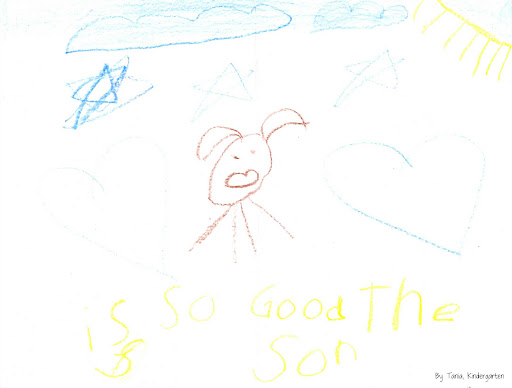
The second stage of first representational forms usually starts around age 3, when children’s scribbles become drawings. This often happens when children gesture or scribble something and then realize that it looks similar to a real thing and decide to label it. For example, a child referenced in the article noticed that their scribbles look liked a real object (noodles) and then called his picture chicken pie and noodles. However, very few three year olds draw things that others can tell what their picture stands for. This improves when children hit one of the most important milestones in drawing: using lines to denote boundaries of objects. This leads to the first drawings of people, even though they are the simplest form that still looks like a human. Children’s first representations often contain a circle with lines attached. Four year olds will then add details such as eyes, hands, mouths and feet.
The third stage is more realistic drawings. As fine motor skills improve, children can create more complex drawings. Five and six year olds draw people with distinct arms and legs, rather than the “universal tadpole body” that three and four year olds draw. Older preschool children soon start exploring with depth, proportion, and overlapping objects. As children improve their drawing skills, their creations become more recognizable and teachers can start implementing various art techniques. Understanding the developmental stages children go through is important so that teachers can teach age-appropriate skills and encourage children to enjoy art.


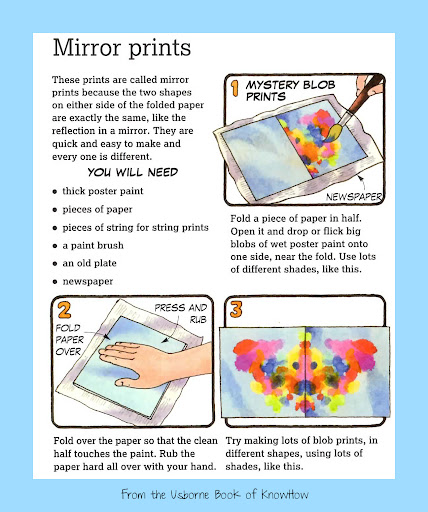

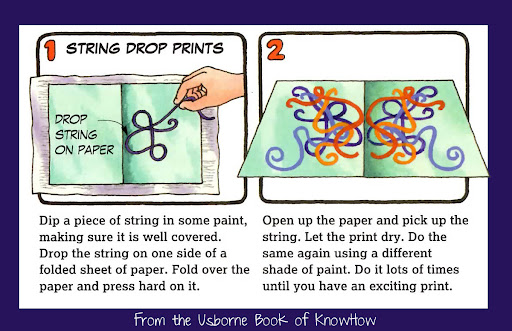











 Squarehead Teachers