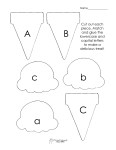
This gallery contains 9 photos.
Free printable worksheet to practice matching upper and lowercase letters. This is something we practice over and over in kindergarten, but it’s critical to students’ literacy. Now letters really are delicious!

This gallery contains 9 photos.
Free printable worksheet to practice matching upper and lowercase letters. This is something we practice over and over in kindergarten, but it’s critical to students’ literacy. Now letters really are delicious!
 The influx of electronic entertainment that seems to be taking over the modern household paired with unprecedented levels of parental fear have created a generation of kids that spend far less time enjoying the great outdoors than their predecessors. The resultant sedentary lifestyle that’s become the norm for many kids can lead to childhood obesity and related health risks, including diabetes and high blood pressure. What’s a parent to do when they’re not sure how much time outside is enough? This handy guide will help you get a basic idea of how much time your child should be spending outside and what her body needs to grow and stay in good shape, all while maintaining her safety and security.
Toddlers
According to research cited by KidsHealth.org, toddlers between the ages of 12 and 36 months of age should be spending at least 30 minutes of their day engaging in structured, adult led physical activity and a full hour of unstructured play each day. It’s also advised that a toddler never spend more than an hour at a time being inactive unless they’re sleeping. When the weather permits, spending your 30 minutes of structured play outside is wise, since kids so young probably shouldn’t be outside unsupervised. Just be sure that you apply sunscreen liberally before heading out the door, because toddlers’ sensitive skin can burn quickly. If you’re heading out for a day at the park, try to head home before your little one becomes so exhausted that she’s miserable and cranky.
Preschoolers
By the time your child reaches the preschooler stage, between three and five years of age, she’s ready for a bit more independence. As long as they’re being supervised and are adequately protected with sunscreen, kids can spend a few hours at a time enjoying the great outdoors. Just be sure that they’re not outside during the peak hours of heat during the summer months, typically between eleven and two in the afternoon. If your yard is fenced or secure, be sure that they know not to wander away when your back is turned. At this age, it’s still wise to spend most of their outdoor time with them to ensure that they’re safe and not engaging in overly risky behavior. During colder months, KidsHealth.org experts state that there is no automatic cutoff time related to how long kids can stay outdoors, but that they should come in when they’re feeling uncomfortable and the weather feels unpleasant to them to avoid dangerous overexposure.
School-Aged Kids
When your child reaches the early elementary years and above, she’ll probably want to spend time outdoors playing without direct supervision. Unless you live in a very secure area with a fenced property, you may want to work out a structured program in order to keep her safe. Kids should be allowed to come inside to warm up or cool down as needed, for regular rehydration breaks and to have snacks, as vigorous outdoor activity burns calories and dehydrates an active little body. The level of direct supervision that’s required is totally dependent upon the area in which you live and the type of security features on your property. If there’s a pool, trampoline or other attractive hazard on your property, it’s always best to keep a close eye on your children at all times when they’re outside. The American Academy of Pediatrics recommends that kids also have at least one hour each day to relax and enjoy unstructured, creative play time. Make sure that you allow enough time for your child to spend her hour in free, indoor creative play that’s not physically strenuous. The Mayo clinic also recommends that kids spend at least 30 minutes to one hour of their day engaged in active play, but that the prescribed hour can be broken down into 10 minute intervals when busy schedules don’t allow for a full, uninterrupted hour of play.
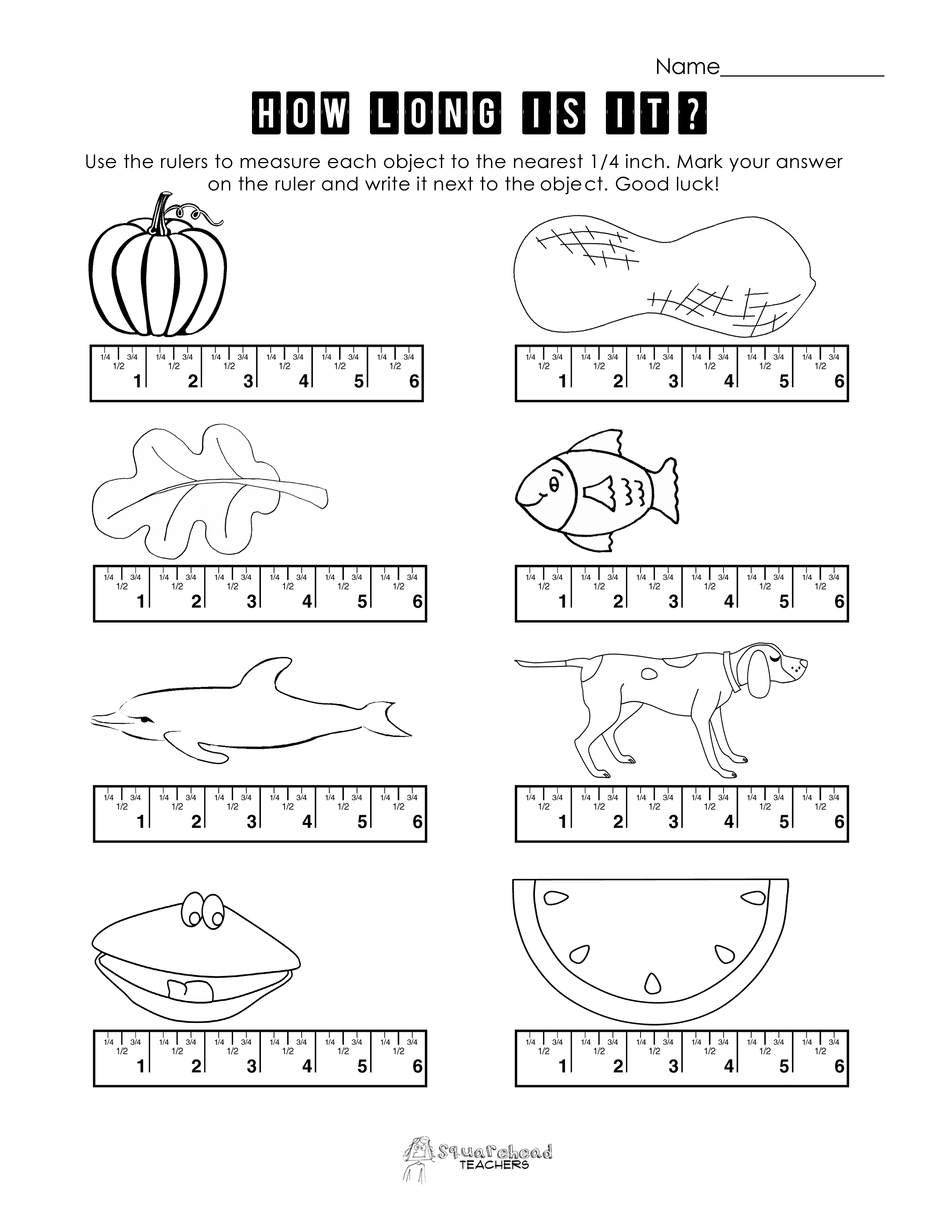
Here’s my third installment of the measurement collection. It’s a great math review, and has endless extension possibilities (what kid doesn’t like running around with a ruler measuring stuff!?) Enjoy this free measurement worksheet!

Here’s the answer key:


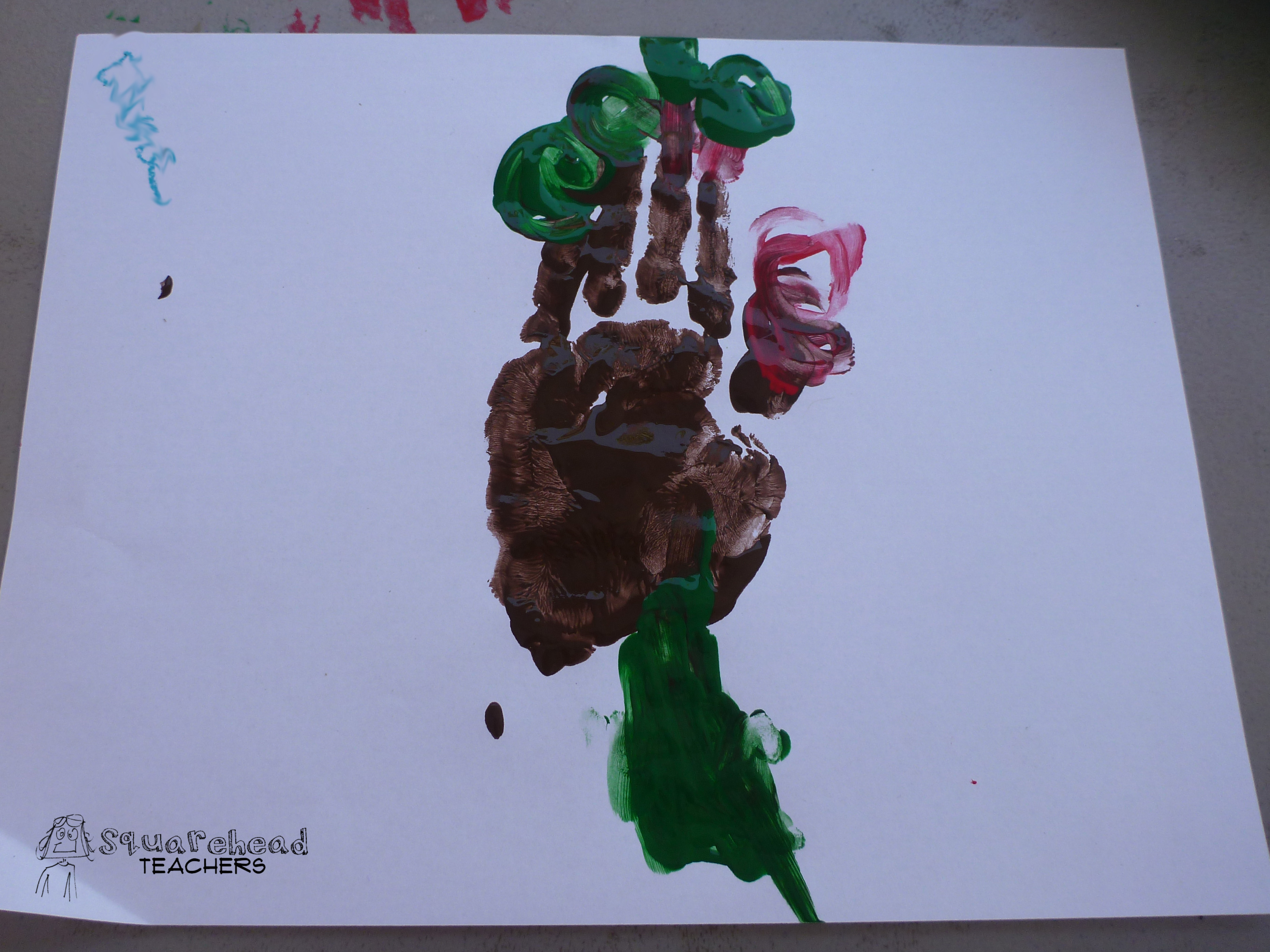
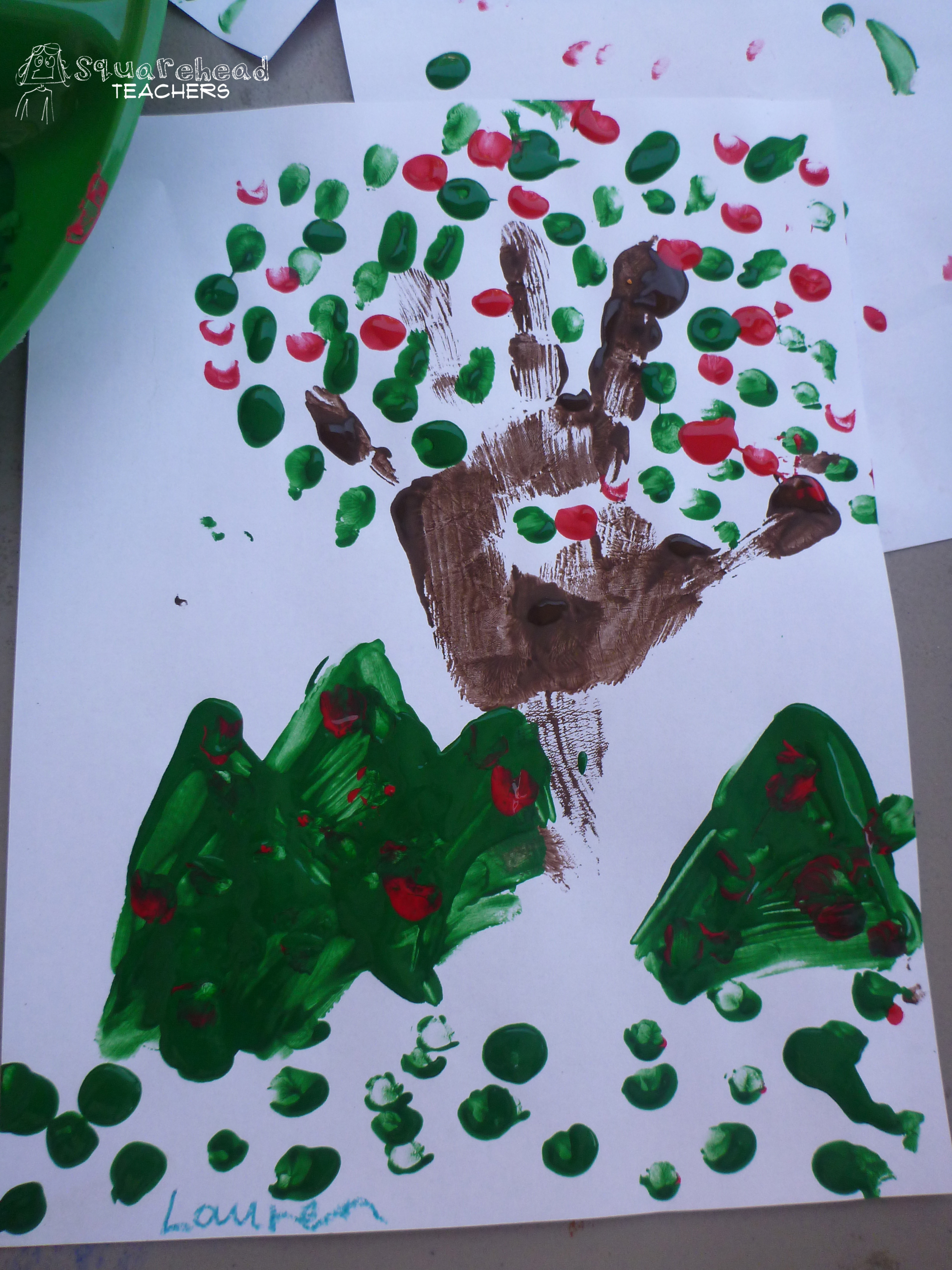
This idea randomly came to me when I was working with some kindergartners a while back. Some of them turned out better than others, but the kids had fun getting to finger paint! It seems like it would be a fun summer craft too!
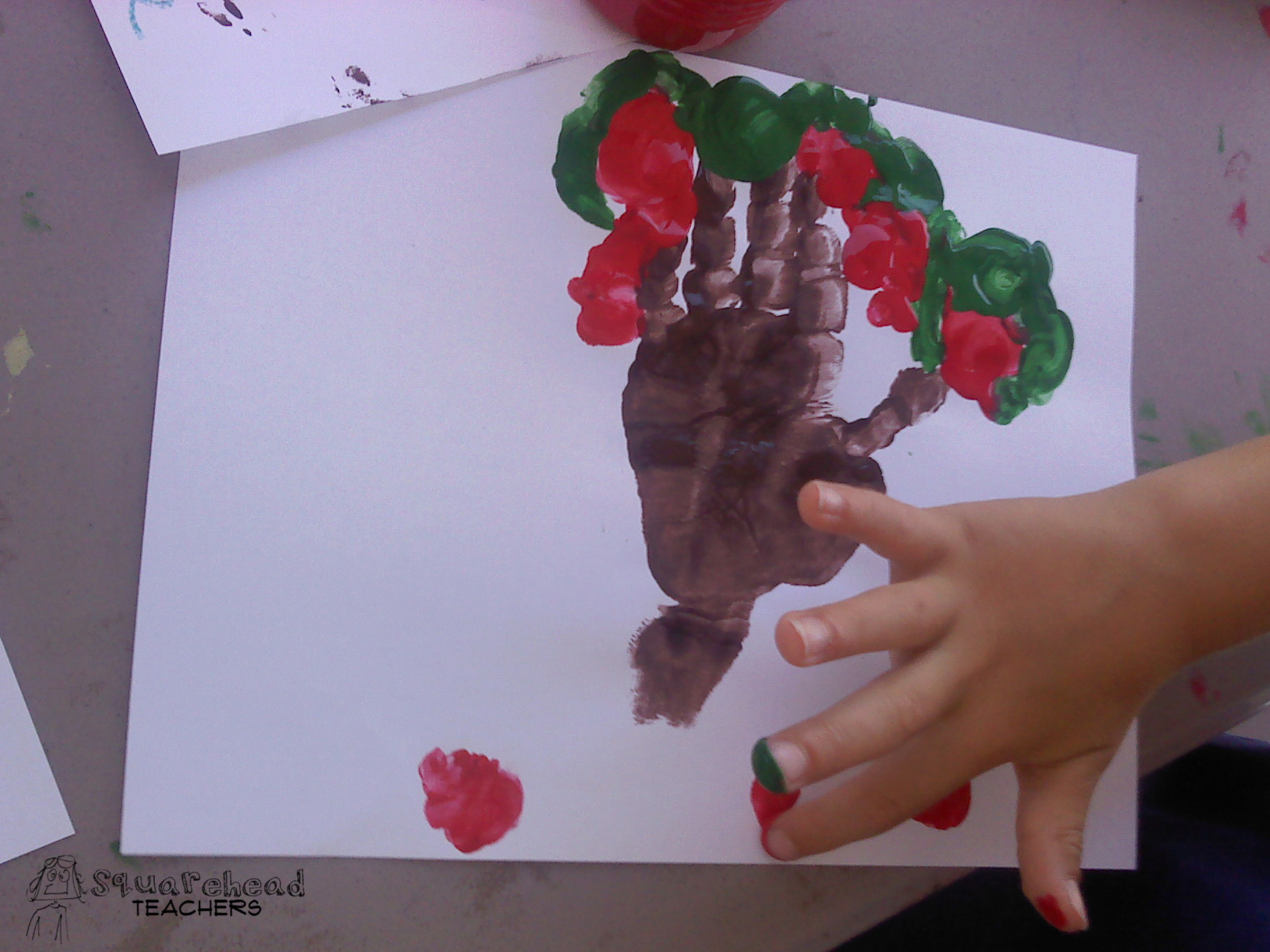
Here’s what you do: Paint the child’s hand brown from fingertips to a few inches below the wrist (paint their non-dominant hand).
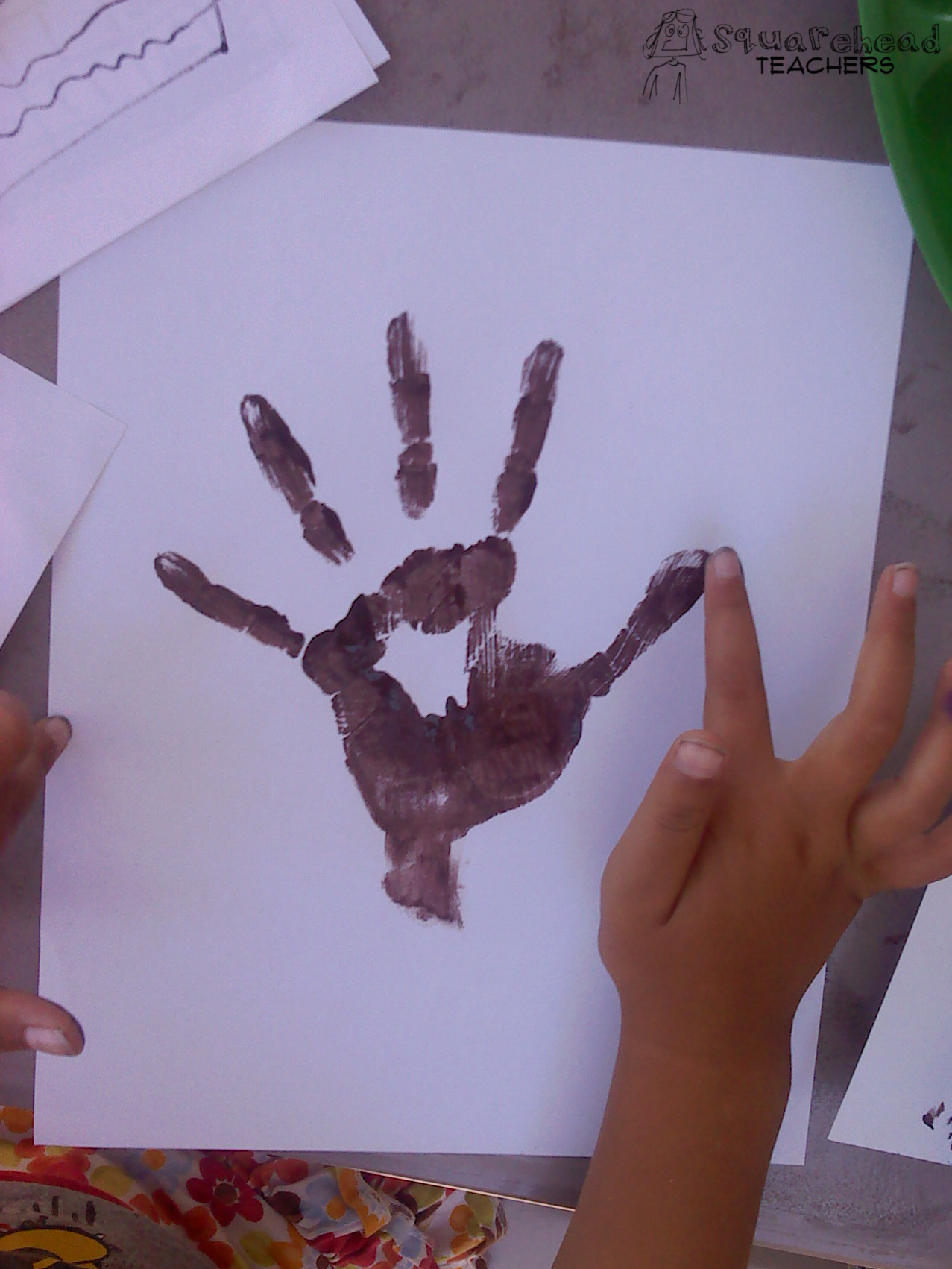

Have the child press their hand against plain paper (construction paper works best). Then let the child use their dominant hand to finger paint leaves, apples, grass, etc. on the rest of the paper. Ta-da! You’re all done!

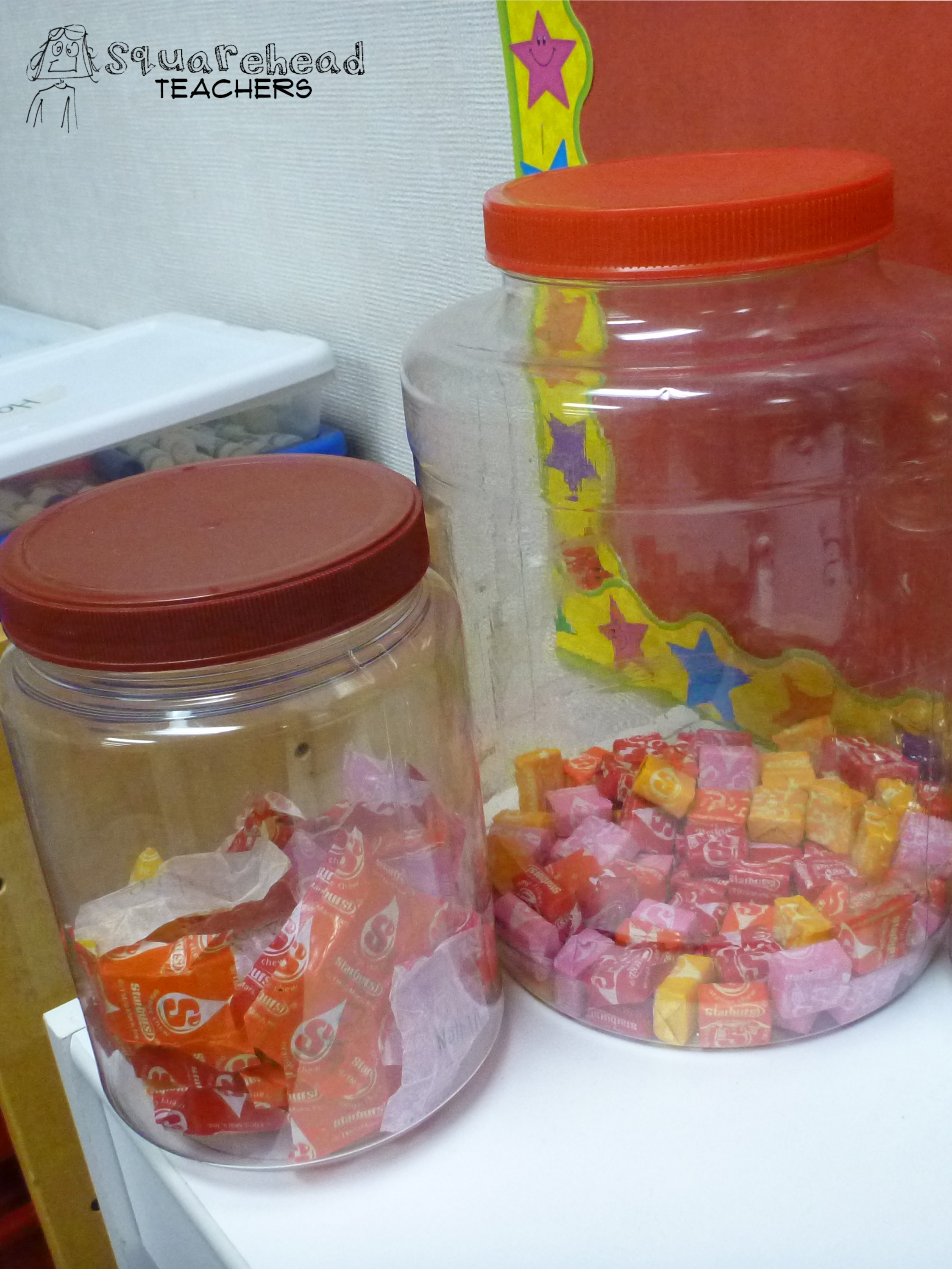
This management/student motivation idea seemed pretty genius to me. The teacher has 2 jars – one full of Starburst candy, and another empty jar. When a student earns a piece of candy, they write their name on the wrapper (using a permanent marker) and drop the wrapper into the empty jar. The she draws one wrapper from the jar each month for an extra special prize. This saves a lot of time cutting out slips of paper and you can pretty much choose any candy with a decent wrapper. Candies that won’t melt seem to work the best (so you have a relatively clean wrapper to write on).
When I saw this idea, I about fell over. It’s such an easy idea, I can’t believe I hadn’t seen it before! This teacher used a strip of bulletin board border to cover the frame the window and cover part of the blinds! What a genius idea!

Students love giving things to their teachers… everything from pictures of themselves to drawings of their family vacation. But after a while, teachers often end up with huge collections of things and they’re not sure what to do with them. Here’s one teacher’s idea: a memory book! She uses page protectors and a regular 3 ring notebook.

Some years, she has had space for a bulletin board to display kids’ gifts before adding them to the book, but other years, she hasn’t had one so she just adds them to the book right away. She puts the memory books in her classroom library, where her kids love to look at things she’s saved from years past. What a great idea!

 Squarehead Teachers
