Golfing Review Game

I recently saw this picture on Pinterest. I couldn’t follow the link very far, because I wasn’t a member of acvitityconnection.com, but I was inspired. Here’s my idea:

Set up: Make a box like this, with varying sized holes in the front. Smaller holes are worth more points. Then set it up in your classroom, with masking tape line on the ground, denoting where students should stand before they putt.

Game play: Group students for the review. Ask a review question, and have each team write down their answer. At the same time, have all groups reveal their answer. Any team who gets the answer right, gets to send 1 person to putt once to try to earn points. At the end of the game, the team with the most points wins!

I’ve tried numerous games like this with my 6h graders and they loved them! It disguised reviewing for the end of the year tests so the kids had a blast and we got through tons of math and science review questions!

Using Graphic Organizers to Sort Characteristics

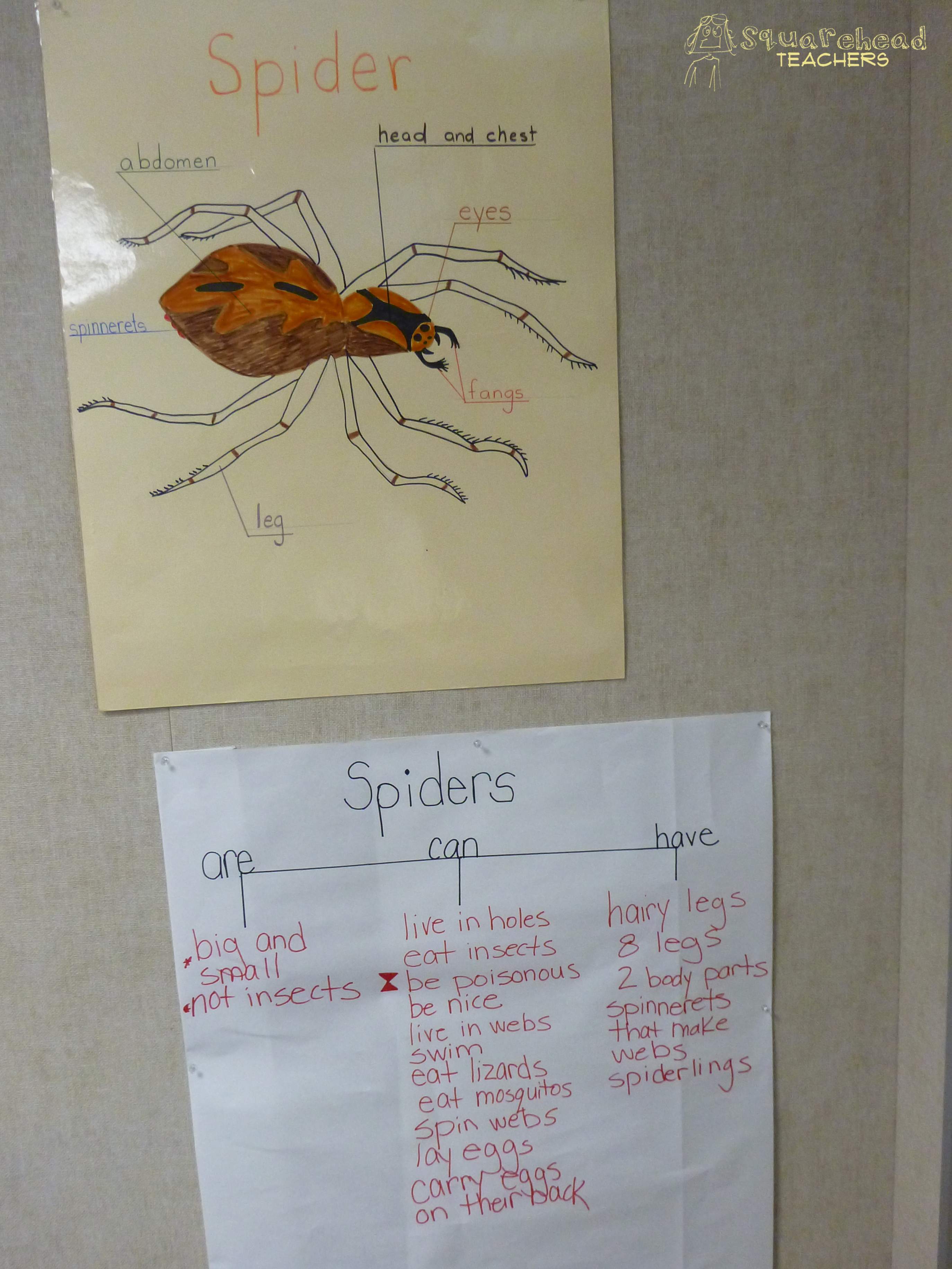
I don’t know about you, but I love using graphic organizers. I’m a visual learner, so maybe that’s why. But anyway, this anchor chart I saw in an elementary school classroom seemed to be an effective way to study animals (spiders, in this case). It focuses on characteristics, sorted according to 3 verbs: are, can and have. It’s a very basic idea, but works well because students can just finish the sentence “Spiders have…” or “Spiders can…” to help them sort out and analyze characteristics. This same idea could be used for a variety of topics, simply by changing the 3 verbs used.

P1030326

Addition and Subtraction Key Words Posters

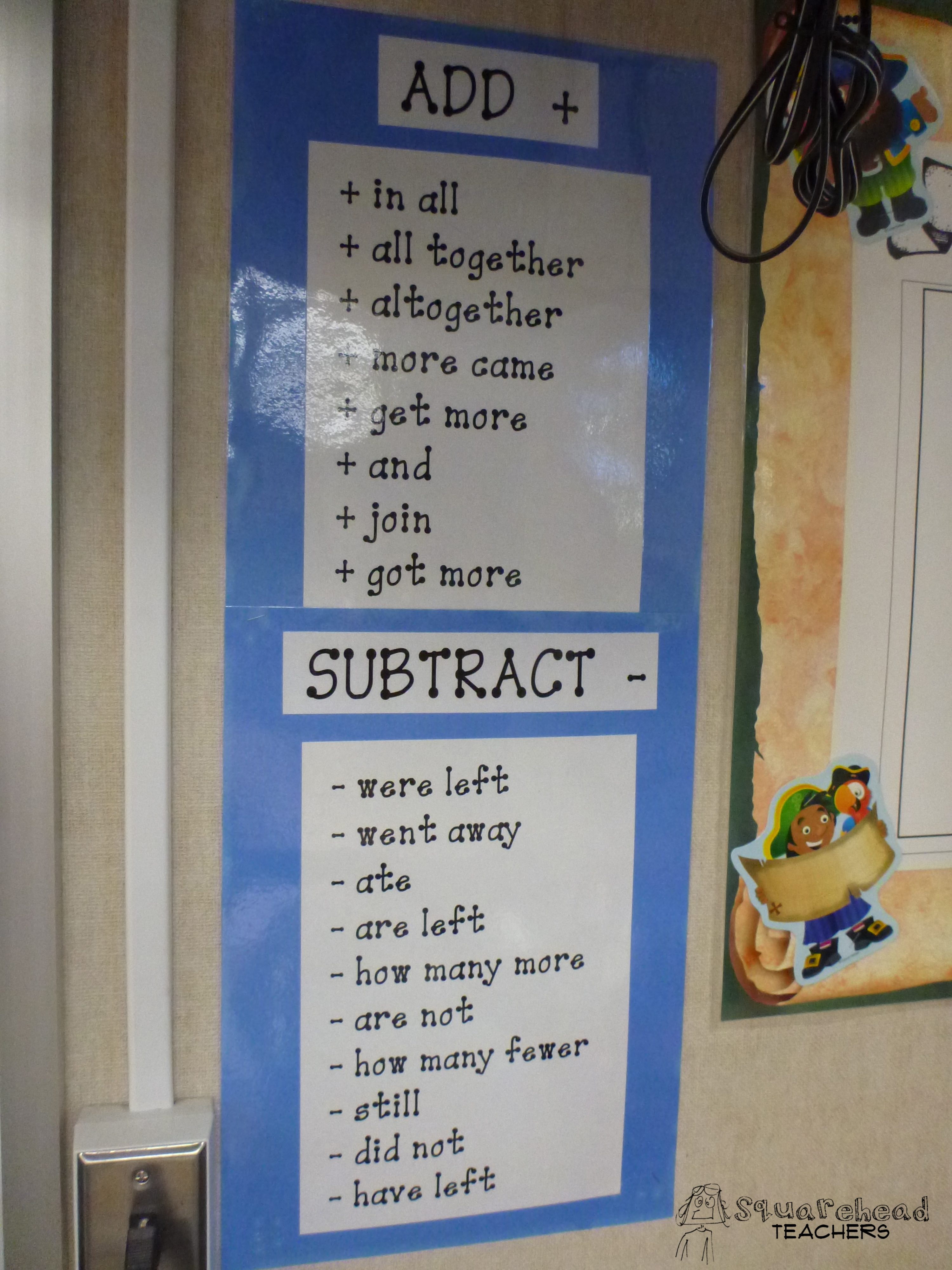
I recently saw this in a lower grade classroom. It seemed like a good math poster to have up for use when discussing whether a word problem requires addition or subtraction.

P1030683

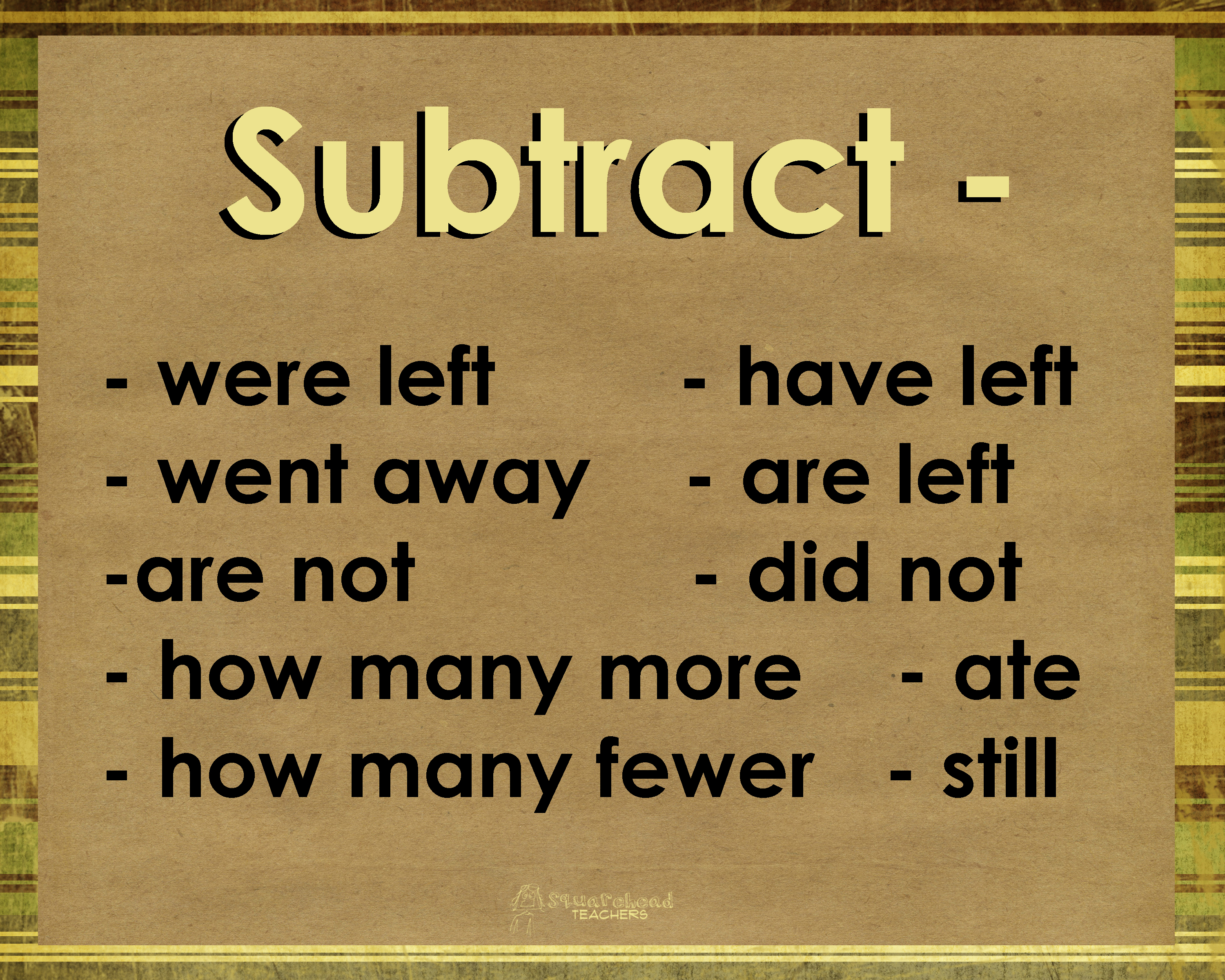
So I decided to make my own free math posters for you to use in your elementary school classroom! Enjoy!

Math key words poster- add Math key words poster- subtract

Blank Timeline Printables

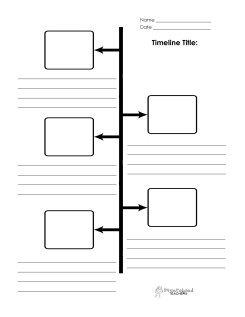
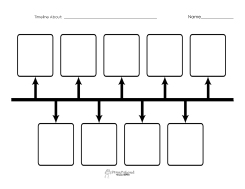
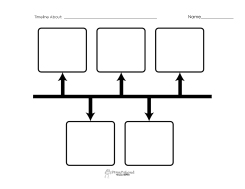
I love timelines. They encourage students to focus on sequencing and summarizing. Here are 3 timelines I made that work for various grade levels. Click here to see the 3 printable PDFs: Blank Timeline Templates. Enjoy!

timeline- boxes and lines timeline- boxes only timeline- simple boxes

Help support my blog by checking out my sponsors/advertisers, connecting with me on social media (icons below) and by telling your friends about my blog! Thanks!

Visit my store button

Desk Fairy Printables (Free!)

desk fairy stickerI don’t know about you, but I definitely don’t have the funding for even half of what’s in those teaching materials catalogues. But I saw this idea and wanted one for my classroom, so I just made my own (and I’m sharing it with you)! First print the poster (regular size printer paper) and put it up on your wall. Then print off and copy the desk fairy notes (color or black and white) and be ready to pass them out as you catch kids with clean desks. You could assign one student to be the desk fairy as their classroom job or just have pass out notes while kids are out of the classroom. Some teachers let their students turn in a desk fairy notes for a prize, special privilege or as an entry in a classroom drawing. Let me know if you try this. I’d love to hear how it works in your classroom!

PDFs here: Desk Fairy Poster       Desk fairy notes- bw        Desk fairy notes- color


Basic Math Strategies (Review Packet for Parents)

Whats your strategy stickerThis is a great 4 page math handout for back to school night so parents have a quick refresher about what your students are learning. This small packet covers addition and subtraction, so it’s perfect for lower grades.

Here are the addition strategies the packet reviews: break apart, rounding, tens and ones, tens and ones with an open number line, hundreds chart and friendly number with open number line.

Here’s what it covers with regard to subtraction: break apart, tens and ones with an open number line, hundreds chart and a few strategies for missing addends.

Happy new school year!

Click here for the PDF: Landscape of Learning- Math Strategies (2)

Birthdays At School

Birthday Card -2 couponLet me just say this: I’m not really into all the frilly-dilly stuff some teachers are into. In my 6th grade class, we don’t do show and tell, student of the week posters, etc. I just have more important things to worry about. Judge me if you want, but that’s the reality here.

Birthdays fall into that frilly-dilly category for me, especially with older students. So to cut to the chase, I do pretty much bare minimum (which is more than they’ll get in junior high, that’s for sure). Before school started, I printed off a bunch of birthday cards and put them in unsealed envelopes. These cards also double as a homework pass for 1 nightly homework assignment, since that’s really what my students (and parents) would prefer to a sticker or a pencil.  I leave the envelopes in my desk drawer and can pull them out at a second’s notice, write the student’s name on the card/ envelope and hand it to them.  I put their birthdays into a reminder on my computer, so it pops up the morning of their birthday so I can write be prepared.

Here are my birthday cards from the teacher for you to use. One version mentions the coupon, the other doesn’t. Click here:  Birthday Card Coupons    or here: Birthday Cards

But what do you do to celebrate the birthday in class, you ask? They stand on their chair so we can sing them happy birthday and life goes on. For students whose birthdays are during the summer, I came up with what I think is a GENIUS plan… At the beginning of the year, I told my class that all summer birthdays would be celebrated on the day we have Halloween festivities at school. This way, we combine all distractions into one day, have a huge party (where birthday kids can pass out goodies during the party) and we sing to all of them at once while they’re standing on their chairs. The kids seemed pretty jazzed about it and didn’t even seem to notice that they were sharing a day with other kids. 

Click here to read about a teacher who did something similar.

Are Basic Math Facts Worth Teaching?

New to Squarehead Teachers? Welcome! 🙂
Connect with me via Facebook, Pinterest, Bloglovin’ or Twitter!

Math facts article stickerWhen I first heard about this article, I was amazed. What? Not teach kids to memorize basic math facts like the teacher did when I was a kid?! With the timed tests and everything?   This article, “Strategies for Basic-Facts Instruction” by Andrew M. Isaacs and William M. Carroll, is an excellent article that discusses what teachers really need to be focusing on when teaching math facts. What really makes learning math facts effective? The author argues that rote memorization is much less effective in teaching mathematics, and why a strategy-based approach should be used.  Isaacs and Carroll conclude that “a strategies-based approach {to teaching math facts} builds students’ understanding and confidence. De-emphasizing rote memorization encourages students to use their common sense in mathematics, thus supporting concept development.”

Click here to read the article: Strategies for Basic Facts Instruction Article

Thoughts on this article or on teaching math facts? Please comment below!

Check out these other posts related to math facts:
Basic Addition and Subtraction Strategies (Printable review packet to give parents)
Counting on Fingers (Number sense activity)
Printable Math Facts Flash Cards (Printables for Addition, subtraction, multiplication, division)
Spring Time Math Facts Dice Game (Printable game board)
12 Days of Christmas Math (Printable multiplication activity)
Holiday Multiplication Facts Bingo (Printable game board)