Associative Property of Addition Poster

Here’s the second basic math properties poster (free!):

Associative property of addition poster


Feel free to print this out (fits best on a regular sheet of printer paper) and slap it on your classroom wall too! Then when anybody asks you about this property, just point to the sign. Soon, kids will just go look at the sign (or learn it for heaven’s sake!) instead of asking you, since they know you’ll only send them to the sign anyway!

Commutative Property Math Poster

I hate repeating myself. So, I make posters for the things my kids ask me about the most. Hence, the next 3 days, I’ll be posting posters (he he he!) about some of the most basic properties of math. Here’s the first one:

Commutative Property math poster


Feel free to print this out (fits best on a regular sheet of printer paper) and slap it on your classroom wall too! Then when anybody asks you about this property, just point to the sign. Soon, kids will just go look at the sign (or learn it for heaven’s sake!) instead of asking you, since they know you’ll only send them to the sign anyway!

10 Ways to Keep Kids Safe Online

Internet SafetyI recently read the following article on Nanny Websites and thought I’d share it:

“When used in a responsible and safe manner, the Internet can be one of the most powerful research and educational tools at a child’s disposal. It can expose him to a wealth of knowledge that would otherwise be difficult to obtain, help him experience other cultures and ways of life and encourage him to learn about the world around him. When used irresponsibly by children that have not been adequately taught about the potential dangers, however, the Internet can also be one of the most powerful tools at a predator’s disposal. These ten tips can help you keep your kids safe without depriving them of the valuable knowledge available online.

  • Take an Active Role in Monitoring – While you’ll want to provide your child with a certain measure of trust and freedom, it’s also important that you maintain an open policy about Internet and social media use. Make sure that you’re keeping tabs on what he’s doing online, and that you’re doing it in an open, honest manner that doesn’t seem like covert spying to your child.
  • Be Honest About Use of Monitoring Software – Monitoring software can be a very effective method of keeping up with what your kids are doing online, but it can also send a very clear message about your lack of trust if it’s used on the sly. Let your children know that there is monitoring software installed, rather than accosting them with evidence of misbehavior out of the blue.
  • Use Content Filtering Features – Web browsers, anti-virus software and search engines all have some level of filtering capability built in to them, so it’s wise to take advantage of those features to block questionable or mature content. Kids can inadvertently stumble over nudity, pornography or violent content without actively seeking it out, and these features make that a bit less likely.
  • Keep Your Computer Located in High-Traffic Areas – When your child has her own computer, she’s free to do her homework or study without tying up the family computer. She’s also able to access questionable content with some degree of privacy. Keeping your computer in a high-traffic area allows you to see what she’s looking at during her browsing sessions.
  • Limit Social Networking Use – Social networking sites are among the most popular on the Internet, but they’re not always a safe place for kids. Make sure that security settings on your child’s account are locked down, that he understands not to accept friend requests from strangers and that his social networking use is kept to a minimum.
  • “Friend” Your Child – While there are filtering options and lists that will allow a determined child to post and share questionable content without you seeing it, not all kids are that tech savvy. Insisting that your child send you a friend request as a caveat of social networking use can be a major deterrent from unsafe and risky behavior online.
  • Talk About Illegal Downloads – Kids don’t always understand the harsh penalties that can come along with copyright infringement and illegal downloading, which is why it’s important for parents and kids to have conversations about the repercussions of breaking the law, even if the Internet seems like a largely anonymous space.
  • Emphasize Values, Rather Than Tech-Savvy Tips – Kids will almost always have technical knowledge that outstrips that of their parents, which is why it’s important to emphasize a set of values over technical methods of staying safe. Talk about what is and is not okay to post online, how to handle scary situations and how to comport themselves rather than how to work the latest safety feature.
  • Keep Tabs on Gaming Devices – Most parents know that their kids’ cell phones and computers are sources of constant connectivity, but may not realize that their gaming consoles also connect to the Internet and put kids at risk of encountering predators. Make sure your little gamer knows never to share personal information with people he plays games with, and that you understand just how much outrageous “trash talk” is normal in the gaming community.
  • Maintain an Open Dialogue About Online Safety – It’s not enough to have one conversation about online safety and to leave it at that. Instead of having a single conversation about safety, establish an ongoing dialogue about what he sees online, what’s okay and what’s not okay.”

Lego Math (Free Add. & Sub. Worksheets)

Lego addition 1What kid doesn’t love Legos? I mean seriously, there are infinite possibilities in those tiny little bricks! So naturally, I needed a way to bring Legos into my classroom… and this is what I came up with! Enjoy some simple addition and subtraction practice!

Click here for the free printable PDFs:
Lego addition 1
Lego addition 2
Lego subtraction


Upper & Lower Case Letters – Ice Cream Cones

Gallery

This gallery contains 9 photos.

Free printable worksheet to practice matching upper and lowercase letters. This is something we practice over and over in kindergarten, but it’s critical to students’ literacy. Now letters really are delicious!

Rate this:

How Much Outside Time Do Kids Really Need?

Here’s a great article I found on Summer Nanny (a website that assists nannies in finding summer nanny jobs):

outsideplayThe influx of electronic entertainment that seems to be taking over the modern household paired with unprecedented levels of parental fear have created a generation of kids that spend far less time enjoying the great outdoors than their predecessors. The resultant sedentary lifestyle that’s become the norm for many kids can lead to childhood obesity and related health risks, including diabetes and high blood pressure. What’s a parent to do when they’re not sure how much time outside is enough? This handy guide will help you get a basic idea of how much time your child should be spending outside and what her body needs to grow and stay in good shape, all while maintaining her safety and security.

Toddlers

According to research cited by KidsHealth.org, toddlers between the ages of 12 and 36 months of age should be spending at least 30 minutes of their day engaging in structured, adult led physical activity and a full hour of unstructured play each day. It’s also advised that a toddler never spend more than an hour at a time being inactive unless they’re sleeping. When the weather permits, spending your 30 minutes of structured play outside is wise, since kids so young probably shouldn’t be outside unsupervised. Just be sure that you apply sunscreen liberally before heading out the door, because toddlers’ sensitive skin can burn quickly. If you’re heading out for a day at the park, try to head home before your little one becomes so exhausted that she’s miserable and cranky.

Preschoolers

By the time your child reaches the preschooler stage, between three and five years of age, she’s ready for a bit more independence. As long as they’re being supervised and are adequately protected with sunscreen, kids can spend a few hours at a time enjoying the great outdoors. Just be sure that they’re not outside during the peak hours of heat during the summer months, typically between eleven and two in the afternoon. If your yard is fenced or secure, be sure that they know not to wander away when your back is turned. At this age, it’s still wise to spend most of their outdoor time with them to ensure that they’re safe and not engaging in overly risky behavior. During colder months, KidsHealth.org experts state that there is no automatic cutoff time related to how long kids can stay outdoors, but that they should come in when they’re feeling uncomfortable and the weather feels unpleasant to them to avoid dangerous overexposure.

School-Aged Kids

When your child reaches the early elementary years and above, she’ll probably want to spend time outdoors playing without direct supervision. Unless you live in a very secure area with a fenced property, you may want to work out a structured program in order to keep her safe. Kids should be allowed to come inside to warm up or cool down as needed, for regular rehydration breaks and to have snacks, as vigorous outdoor activity burns calories and dehydrates an active little body. The level of direct supervision that’s required is totally dependent upon the area in which you live and the type of security features on your property. If there’s a pool, trampoline or other attractive hazard on your property, it’s always best to keep a close eye on your children at all times when they’re outside. The American Academy of Pediatrics recommends that kids also have at least one hour each day to relax and enjoy unstructured, creative play time. Make sure that you allow enough time for your child to spend her hour in free, indoor creative play that’s not physically strenuous. The Mayo clinic also recommends that kids spend at least 30 minutes to one hour of their day engaged in active play, but that the prescribed hour can be broken down into 10 minute intervals when busy schedules don’t allow for a full, uninterrupted hour of play.

Measurement Practice 3

Here’s my third installment of the measurement collection. It’s a great math review, and has endless extension possibilities (what kid doesn’t like running around with a ruler measuring stuff!?) Enjoy this free measurement worksheet!


Ruler worksheet 3 copy

Here’s the answer key:

Ruler worksheet 3 answer key copy

Hand Print Apple Tree Craft

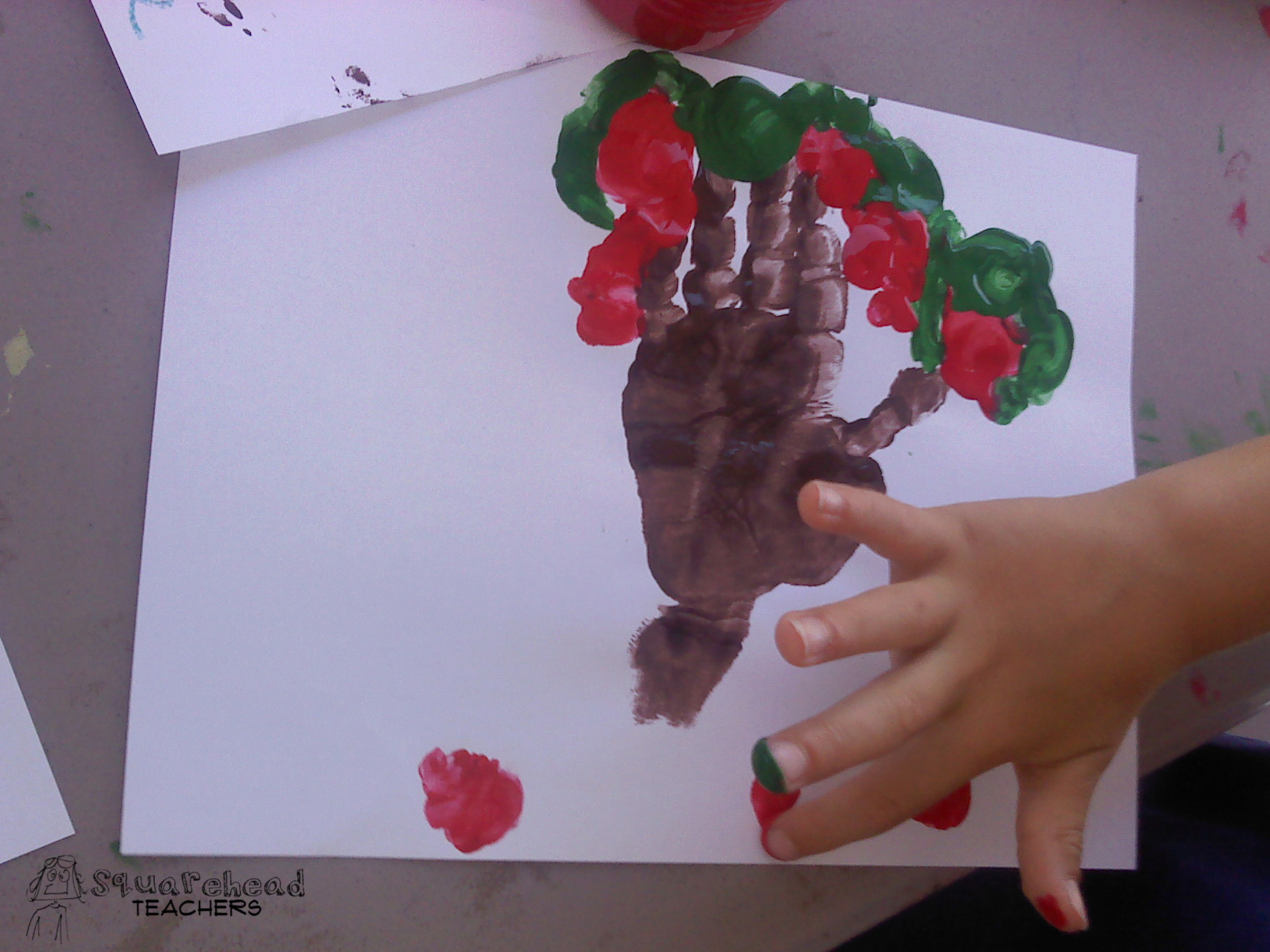
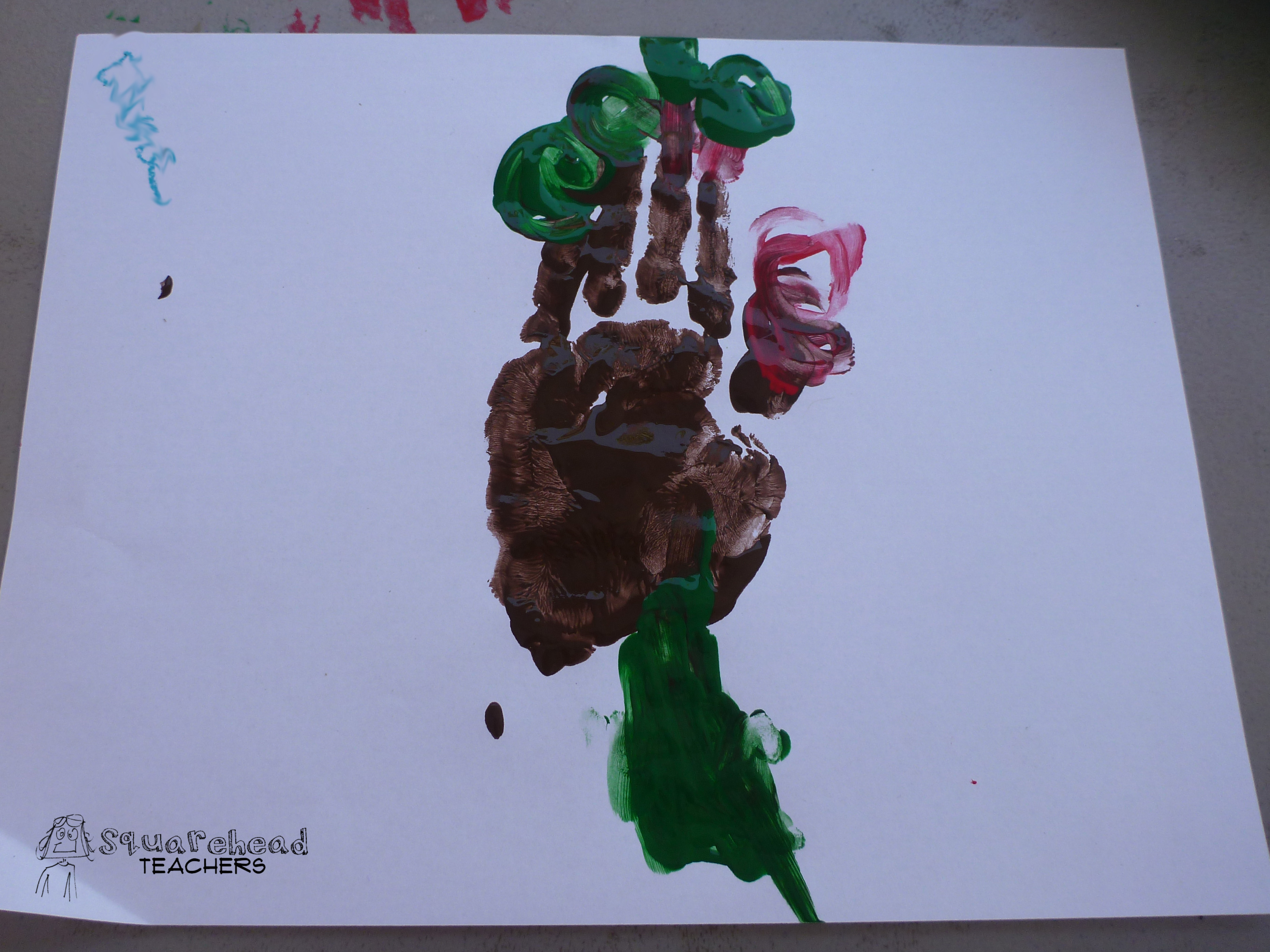
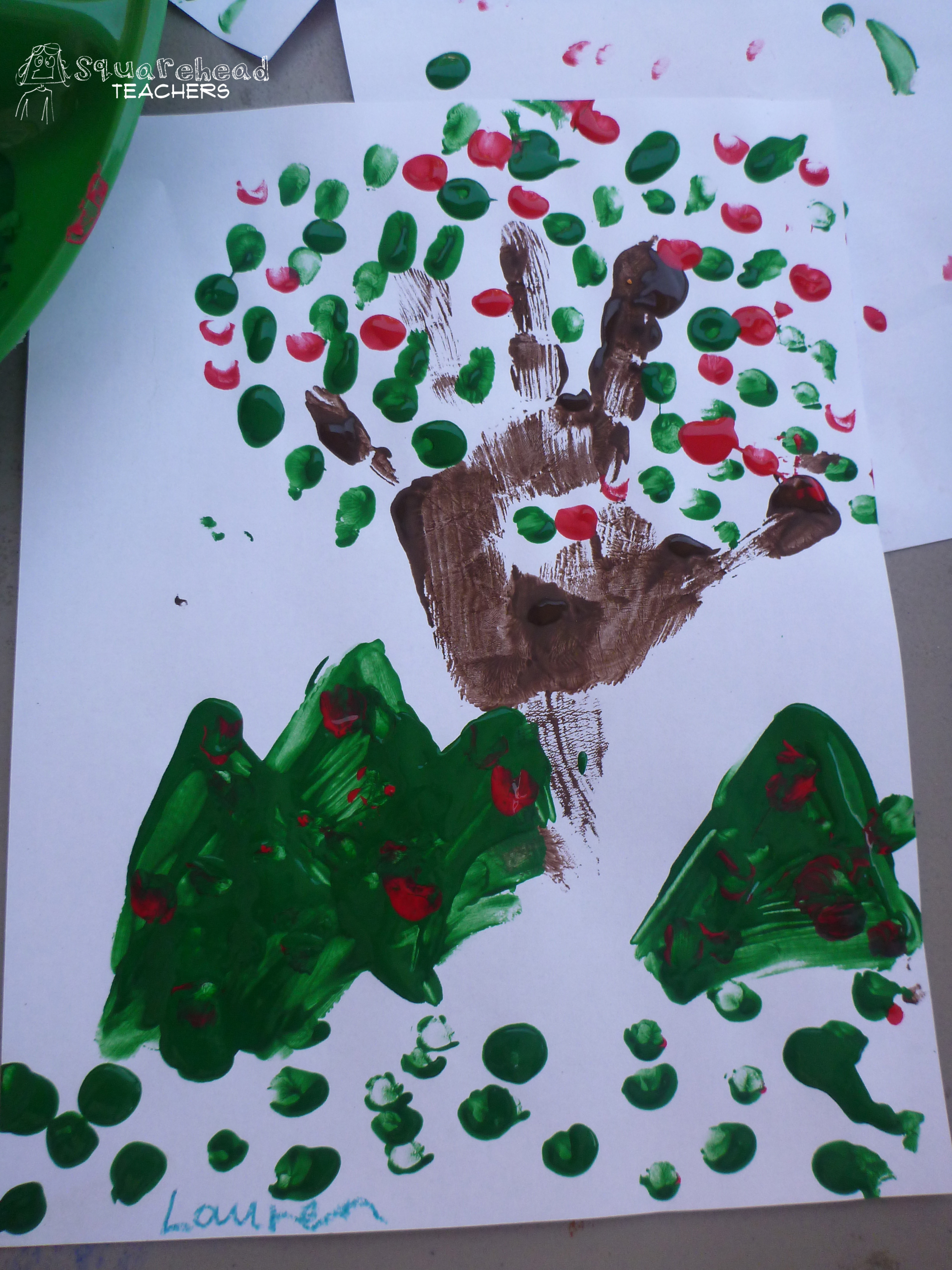
handprint apple tree

This idea randomly came to me when I was working with some kindergartners a while back. Some of them turned out better than others, but the kids had fun getting to finger paint! It seems like it would be a fun summer craft too!

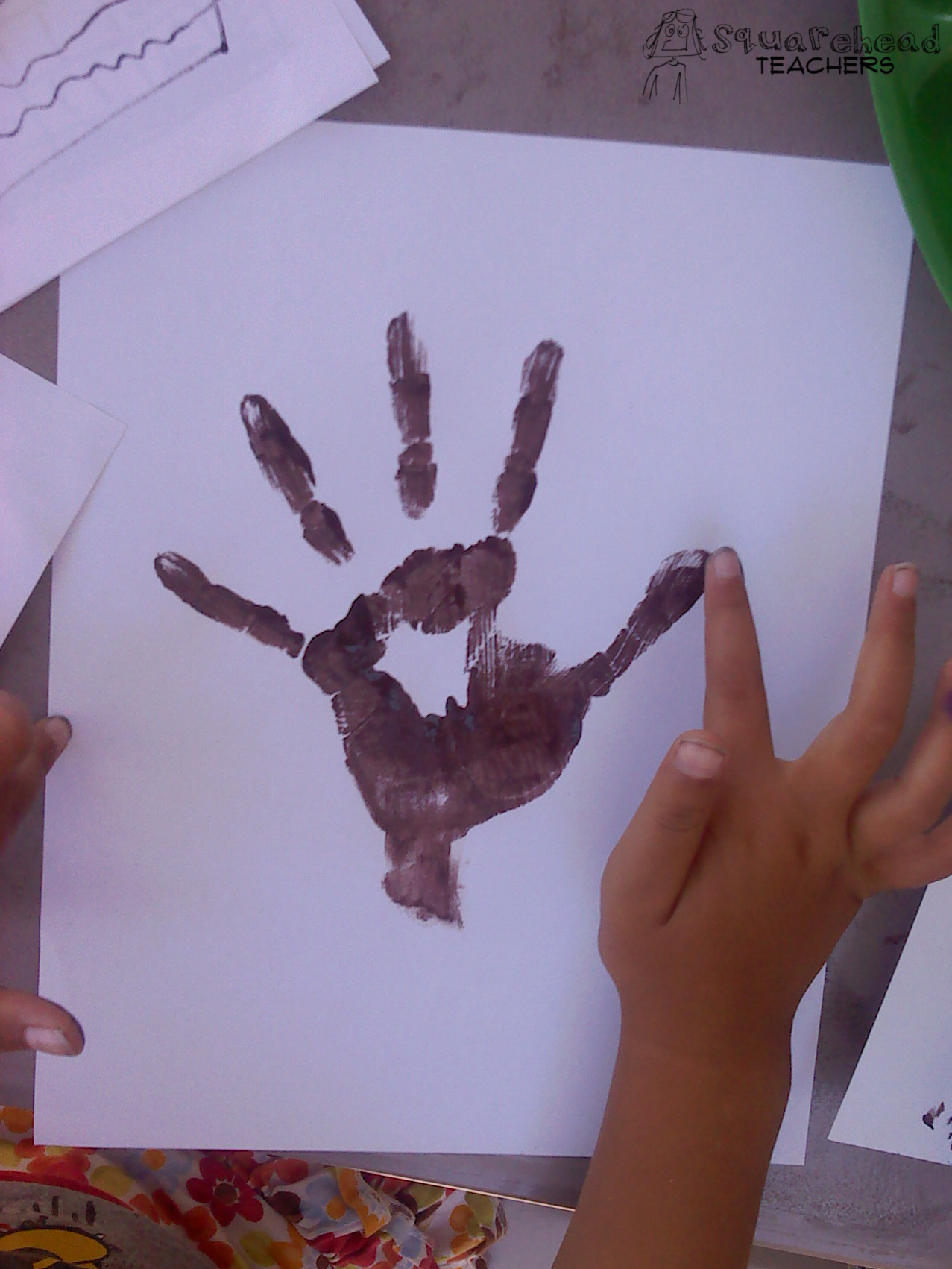
Here’s what you do: Paint the child’s hand brown from fingertips to a few inches below the wrist (paint their non-dominant hand).

handprint apple tree 3 handprint apple tree 4

Have the child press their hand against plain paper (construction paper works best). Then let the child use their dominant hand to finger paint leaves, apples, grass, etc. on the rest of the paper. Ta-da! You’re all done!

handprint apple tree 2 handprint apple tree 5 handprint apple tree 6 handprint apple tree 7