Effective Bulletin Boards for Your Classroom

P1030371

I saw this idea in an upper grade classroom and thought it was pretty cool. It’s a bulletin board about the things a good reader does: C  R  A  F  T

Comprehension: I understand what I read
Response to Text: I respond with thought and detail
Accuracy: I can read a variety of words
Fluency: I can read with accuracy and expression
Text Features: I understand and utilize text features

The teacher focuses on a reading skill and makes anchor charts that go with it. The anchor chart goes on the bulletin board to be referred to later.
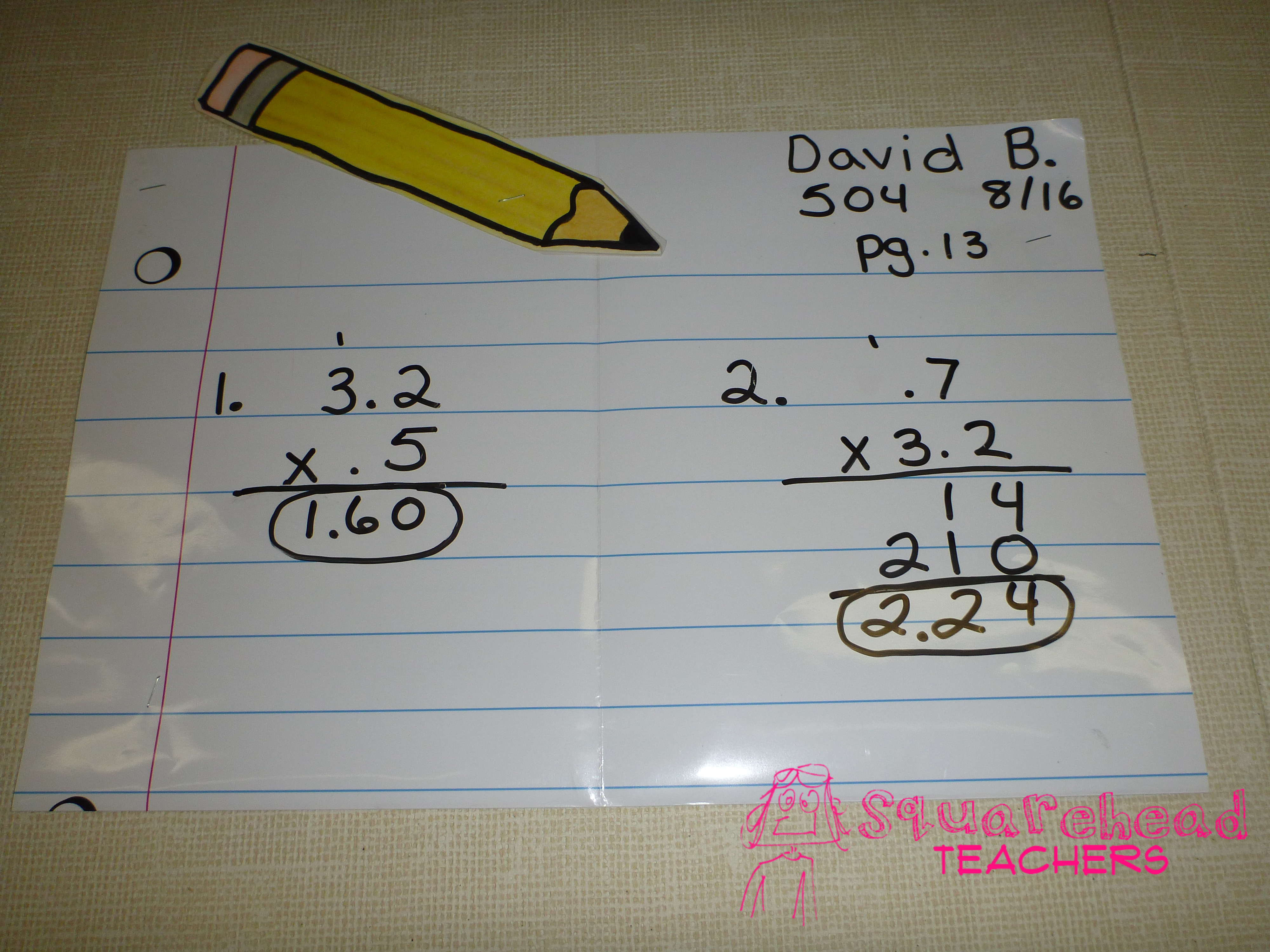
 

P1030581This poster is an example of how students should do their math work. The poster shows how students should do their math work: specific heading, numbered problems, write problems left to right in rows rather than columns and the answers are circled. It’s a great way to help students remember what they need before turning in a paper. In addition, it’s a great reminder of how to do some basic math algorithms (in case your students forget).


Get-To-Know-You Math Activity

I recently saw this idea and thought it was really cool! At the beginning of the year, students make a poster introducing themselves using numbers! Shoot, you could do this activity at any point in the year, not just the start of the year. For example they might use shoe size, weight, height, number of siblings, birthday, class number, number of pets they’ve owned, etc. Here comes the challenge (for upper grades): then students use sticky tabs to cover the actual numbers (written in standard form) and instead write an equation. See the examples below:

Then display the posters and see if kids can figure out who is who. This is especially fun if kids have completed the poster as a homework assignment (so kids don’t see them making it). Either way, it’s a great way to build number sense and reinforce the idea that a number can be written many, many ways. Enjoy!

Genius Teaching Tips!

no name tags

Desk name tags drive me nuts. So when I saw this idea (source) and just HAD to share it with you! Use an oil based Sharpie Paint Pen (available at craft and office supply stores) to write on the desk. It stays on just like a permanent marker, but you can see it better. Then at the end of the year when you’re ready to take it off, color over it with a whiteboard marker and it wipes off with a tissue! This same idea of erasing permanent marker with whiteboard markers also works on whiteboards, laminated posters, anchor charts, etc.

I’ve been focusing on multiplication facts with my kids lately, so, when I saw this idea I about fell over. (Yes, I’m always impressed by the creativity and pure genius I see in other educators!)!  Kids shake the egg carton (above), and then multiply whatever numbers the chips land on. This can easily be switched to addition for younger kids. I love this idea and I’m excited to try it! (source)

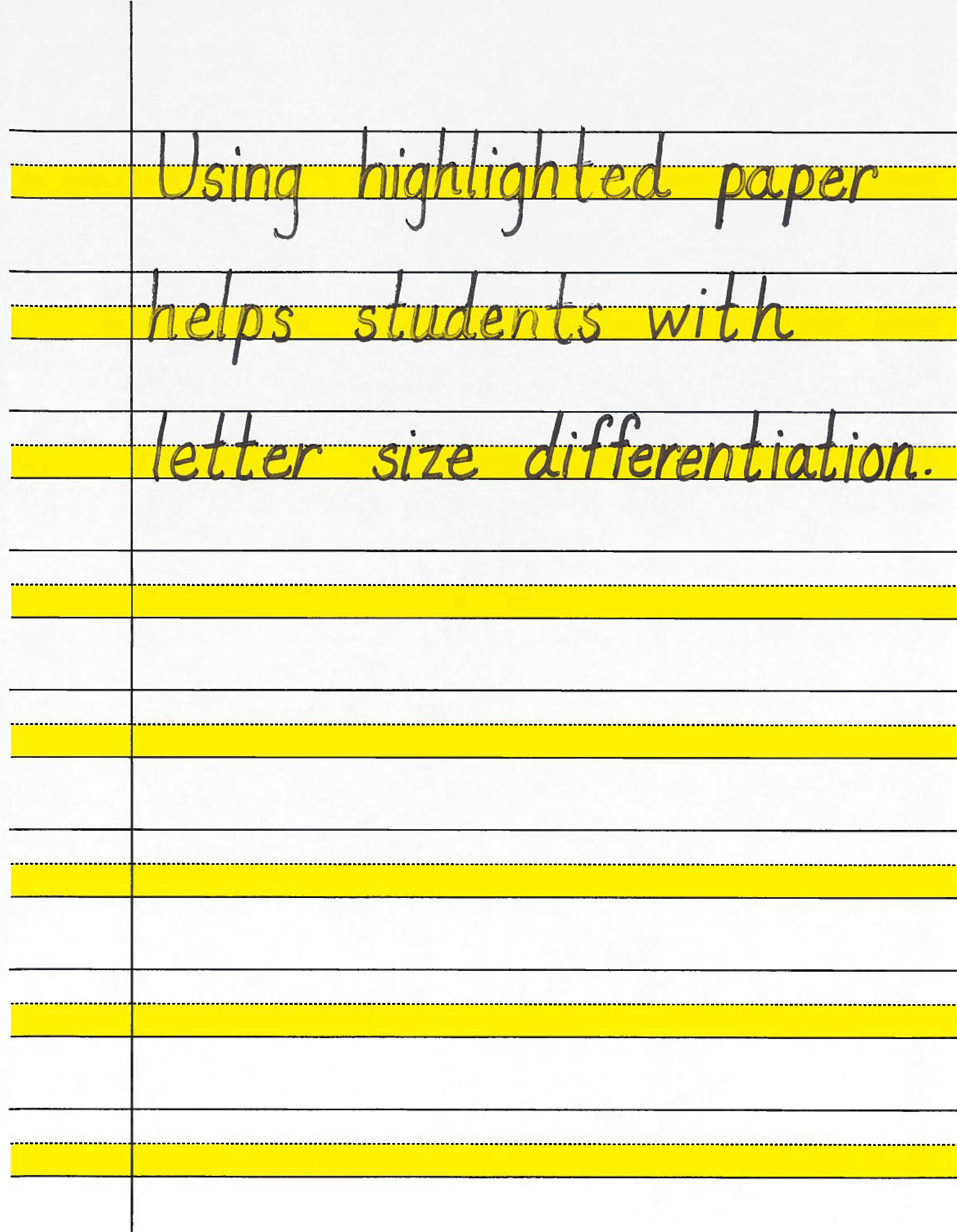
This next genius idea (source) helps kids practice writing their letters the right size. It really helps younger students see what space should be used for lower case vs. upper case letters. This would be an awesome activity for kindergarten or first grade, even if you only did it once. You can buy pre-highlighted paper or just make your own using a highlighter. Making a bunch of these pages yourself is totally doable, but I recommend putting on a movie while you do it! 😉

Using Evidence From The Text (Free Poster)

Show the evidence poster sticker

Kids often need reminders to use evidence and support from the text when explaining or writing about a piece of text. Here’s a free printable poster for your classroom (near your guided reading table?) to remind kids to use textual evidence!  Click here for the PDF: Show the Evidence Poster

Name Reading Groups to Teach Extra Stuff!

cactus reading groups sticker

When I first started teaching, I didn’t know what to call each reading group. Although students are grouped by reading level, you can’t name them with numbers or letters (or anything that indicates one’s higher or lower than another, even though students will figure it out eventually). So I chose animals our school had die-cuts for. But I wish I had heard of this idea before I named the groups!

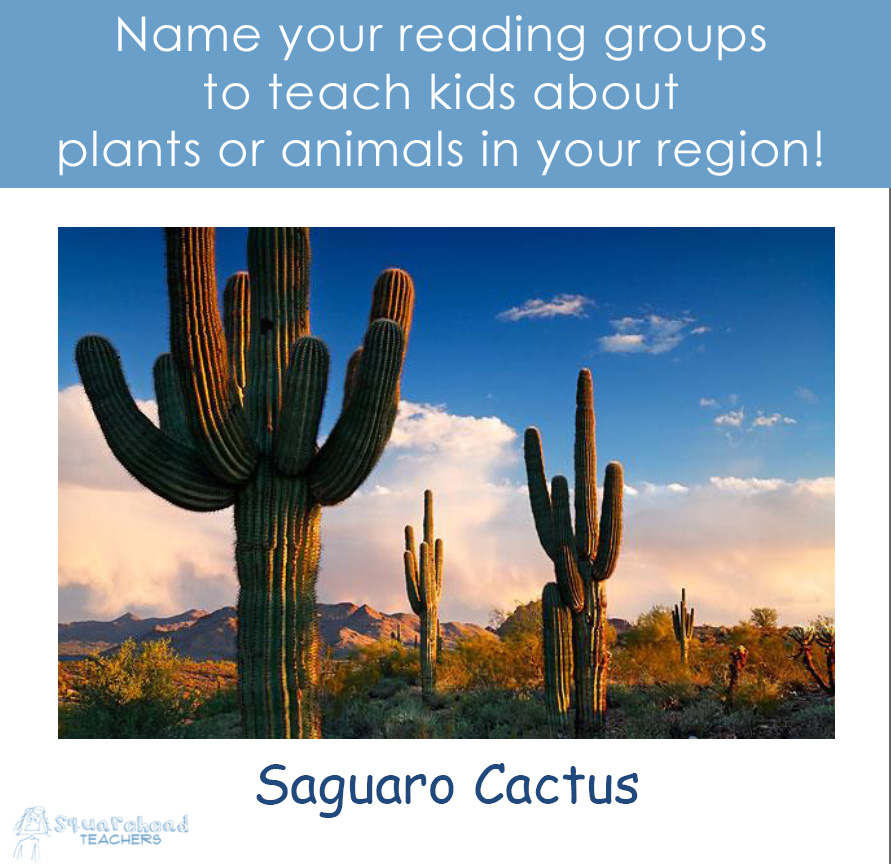
One Arizona teacher names her groups after the various desert cactus plants in her region. She teaches the kids how to pronounce them and has a picture on the wall next to the name, so the kids will become more educated about their region! So smart!! Here are her posters of the cactus reading group pictures. This is a great way to sneak a little extra learning into your classroom.

Great Anchor Charts

Anchor charts are a staple in any elementary school classroom. Here are some truly inspired ones:

Group work expectations anchor chart


Ways to compare fractions anchor chart


Quadrilaterals anchor chart

Awesome Classroom Ideas!

Here are some more of the coolest elementary education ideas I’ve seen so far lately. Enjoy!

Work boxes for each student. When they finish their work they can go to their work box and pull out things to work on that the teacher has placed in there. Lets the teacher assign different things for the student/if they need extra practice in an area–DIFFERENTIATION! This makes a great fast finisher system too. Click here for more fast finisher ideas.

Here’s an easy way to do number of the day. If you’d like a number of the day program that gets increasingly more difficult and is aligned with the common core, click here. (source)

Help students focus more by covering sections of the page with a cut file folder. This would be a great way to help students who get distracted easily or have a hard time completing work. After they finish a section, they can stand up, walk around the room once, etc. (source)

The Secret Way to De-clutter your Classroom!

(I wrote about this idea a while ago, but I’ve made some signs to help you execute it, so here’s the idea again…) This idea is PURE GENIUS! I learned this trick from my mentor teacher during student teaching (way back in the day). Designate a tote or box for a super secret purpose: a secret recycle bin! Students don’t work as hard when they know their teacher isn’t going to look at their paper. So use this bin to collect papers you don’t need to look at, but still want kids to work hard on. At the end of the day when all the students are gone, you can recycle the paperwork and keep your students’ desks clutter free!

P1050972

The picture above is from a lower grade classroom that doesn’t have any real turn in bins. I suggested this idea to the teacher and she said it works so well, she’s gotten other teachers at her school to do this trick! She just calls the secret bin the “turn in bin.” But if you have a real turn in bin (for work you actually want to look at, grade, etc.), consider naming this bin the “big turn in bin” or something else to distinguish it from your other trays/bins. I’ve made some signs (1/3 sheet size) for you to print off and label your tote with if you’d like. Your choice of chevron or polka dots.

Turn In Bin signs STICKER


Click here: Turn In Bin signs PDF