“Now Turn To Your Partner And…”

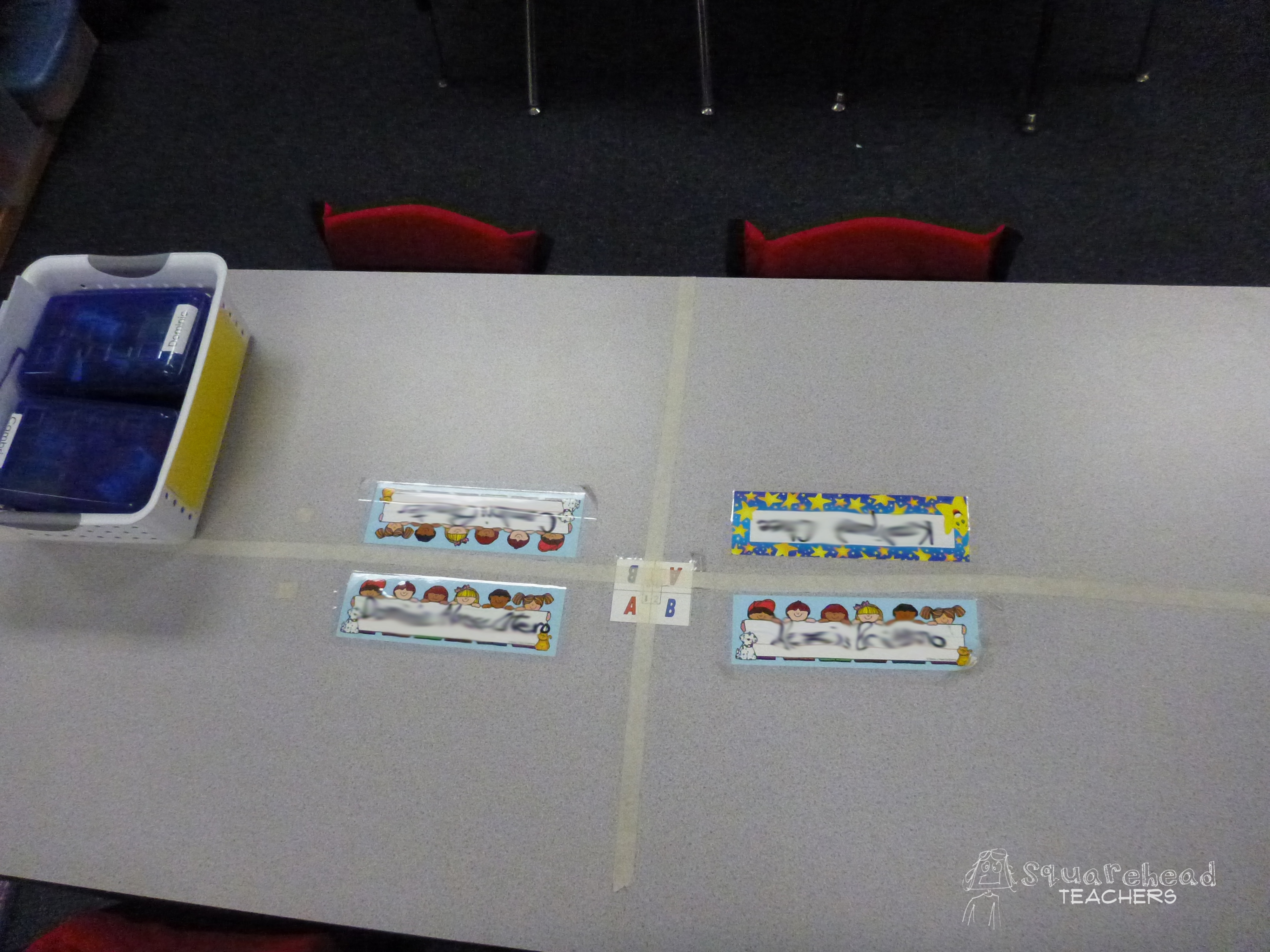
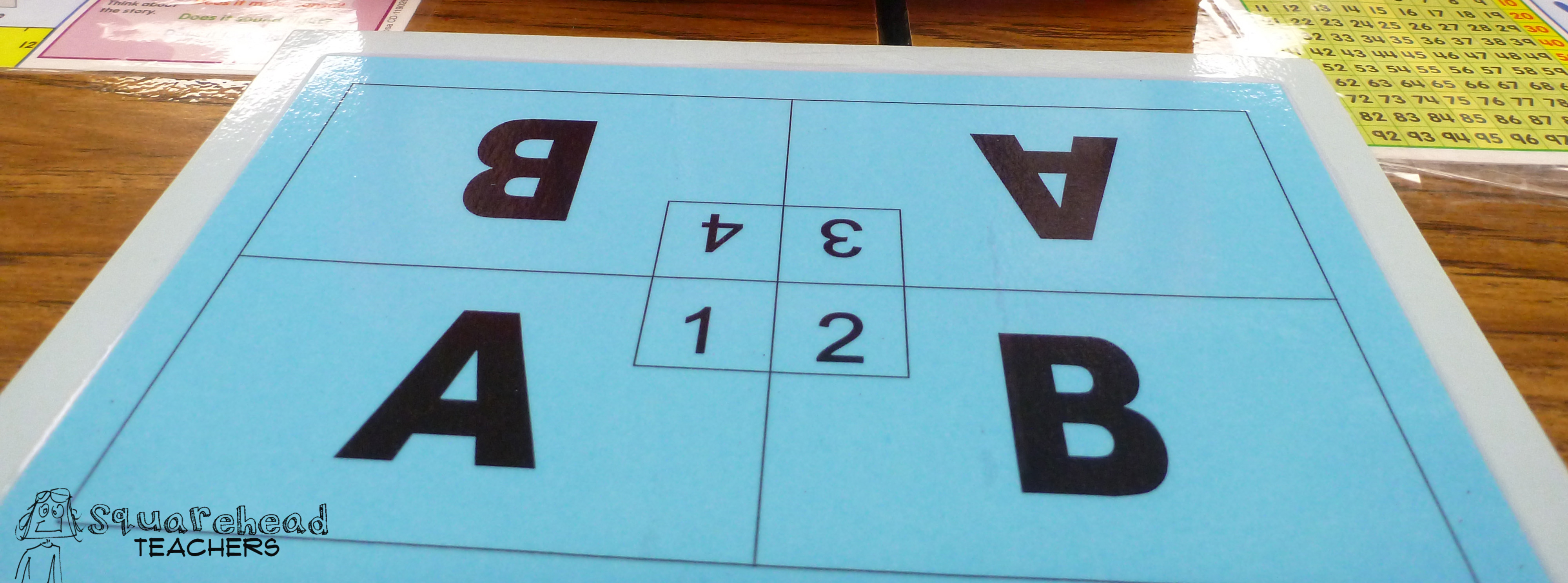
Many, many activities in today’s classrooms involve partner/group work. But you don’t want kids to work with the same partner/group every time. So you need methods for grouping kids in a variety of ways. Below are a variety of table mats that teachers have used so that they can easily group kids by number, color, letter, etc.

P1030242 top

P1030268

This kindergarten teacher used masking tape to give each student space at the desk (and the tape holds down her partner sheet).

P1030242 bottom P1030243 P1030254

table mat

5 Finger Retell (summarizing strategy)


Many kids have a hard time retelling/summarizing a passage or story. This simple hand trick helps them tell only the most important parts of the story. One teacher I know keeps these two hand cut-outs on the wall near their guided reading table, so the kids can refer to it often. She says it’s really helpful for tons of her students.

5 finger retell

If you wanted, you could have each student trace their own hand and label each finger at the beginning of the year. You could put them on the wall to, or glue them to the front of a folder or reading journal, etc.


Displaying Student Work

There’s nothing like seeing your project displayed on a wall. That sense of pride and accomplishment; that sense of knowing someone values your work… priceless! So how do you do it without going overboard? How do you display student work in a way that fits the theme/feeling of your room?

This way is by far the easiest I’ve ever done or seen. We hung sheet protectors on push pins below the whiteboard (anywhere low where students can reach easily will work). Each sheet protector was numbered according to class number and each kid was responsible for swapping out their project on display. Each table had a day of the week during a specific time when they could swap out their work (for example, during seat work time). Sometimes we all swapped out work at the same time, usually after an especially cool project, before open house, etc.

P1030244

P1050402

We laminated the construction paper first and used plenty of staples to attach them to the wall.

Here are some other ideas I’ve seen:

P1030258

Another teacher lets kids pin projects to the fabric covering her shelves so more student work can be on display.

P1030260

One teacher used sharpies and stickers on overhead transparencies to make impromptu frames to pin over student projects.

P1030327

Bulletin board for farm themed room.

P1030328

Another farm-themed bulletin board.

P1030355

These laminated paper pencils have slits in them where the teacher stuck paper clips, so it would be super fast to swap out work.

Click here for more ideas on displaying student work.

Classroom Journal Tips

Keeping journals is a great way to help students keep new information recorded and stored in a neat and useful way. Many teachers give their students notebooks for each core subject and expect students to maintain their own journal to use for note taking during lessons and future reference. I love this idea! I’ve done it with my own classes. But if you’re going to do journals, do them the smart way. Here’s what I mean:

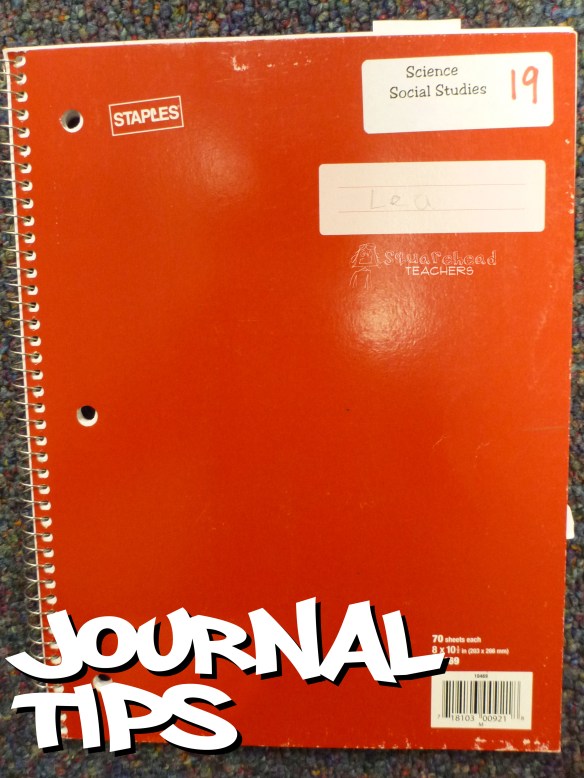
1. Choose a specific color for the subject. Get that same color journal for each student. If you can’t find an entire class set of 1 color, try 2 colors that are easy to remember. So when your student says “Wait! Which one is our science journal?” You can tell them what color notebook to look for. Also make sure the notebooks are clearly labeled with the student’s name, classroom number and what subject the journal is for. Tell students at the beginning of the year that the journal is only for that subject, not for drawing, writing notes to a friend, etc.
P1030237

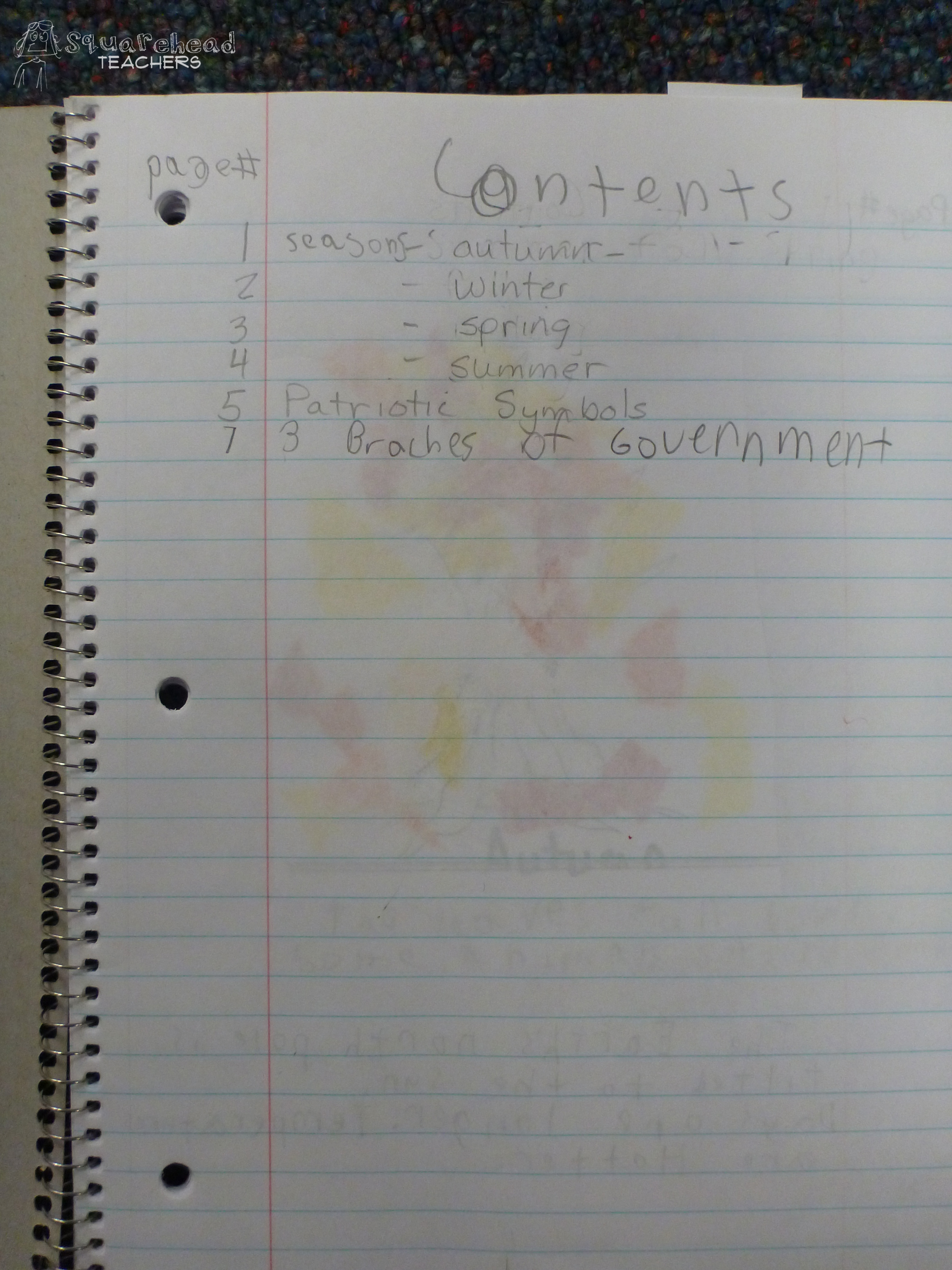
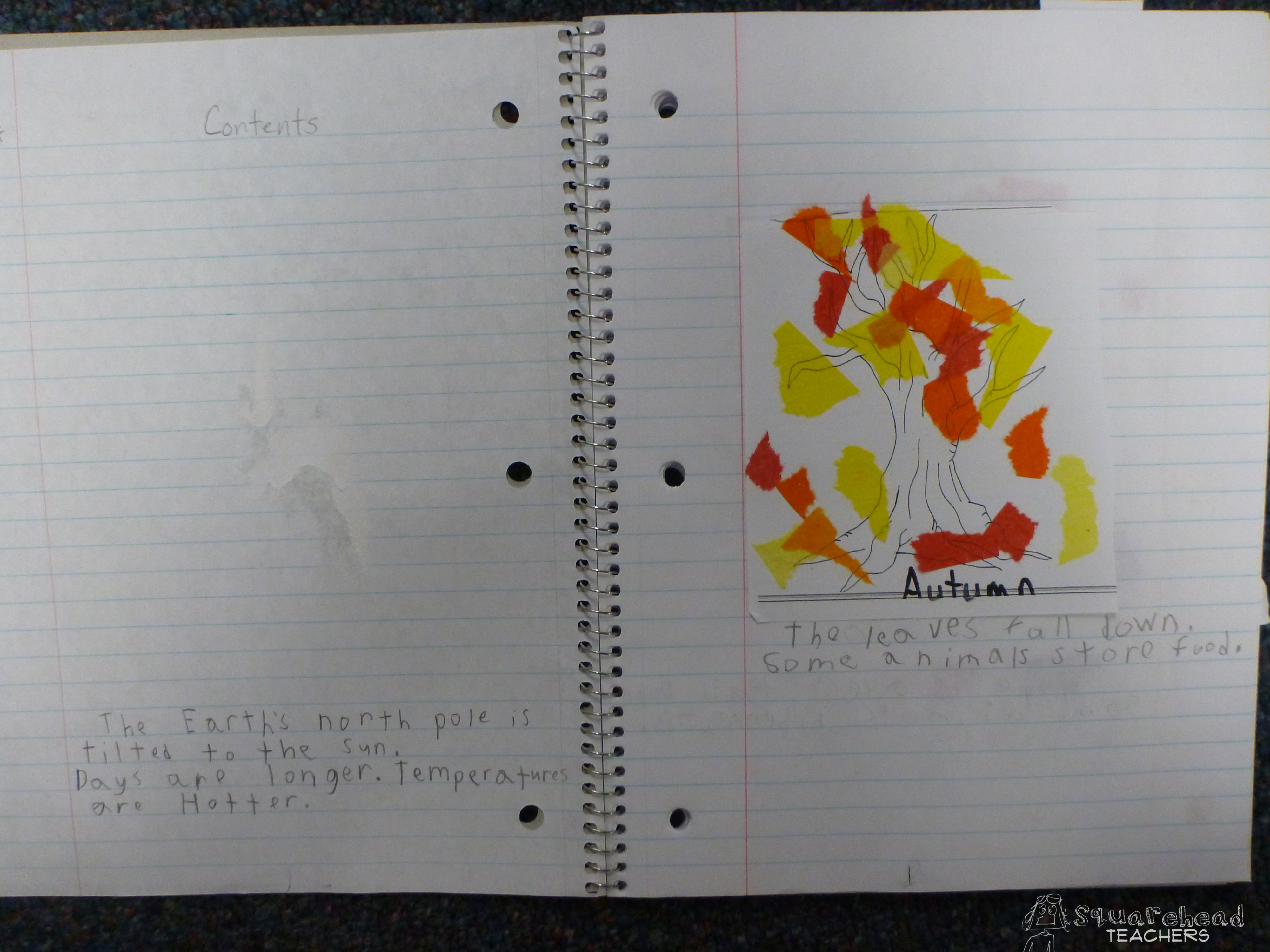
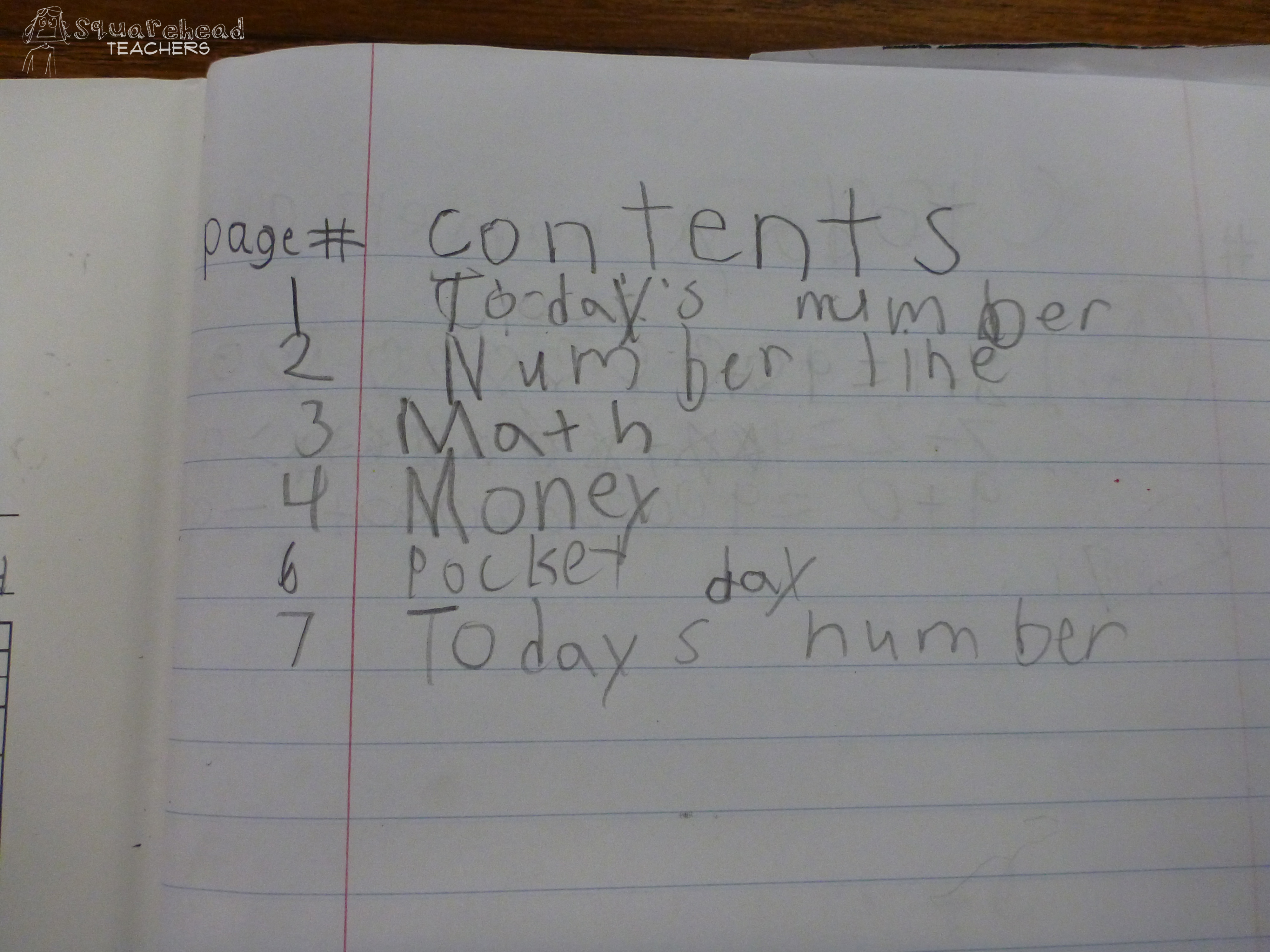
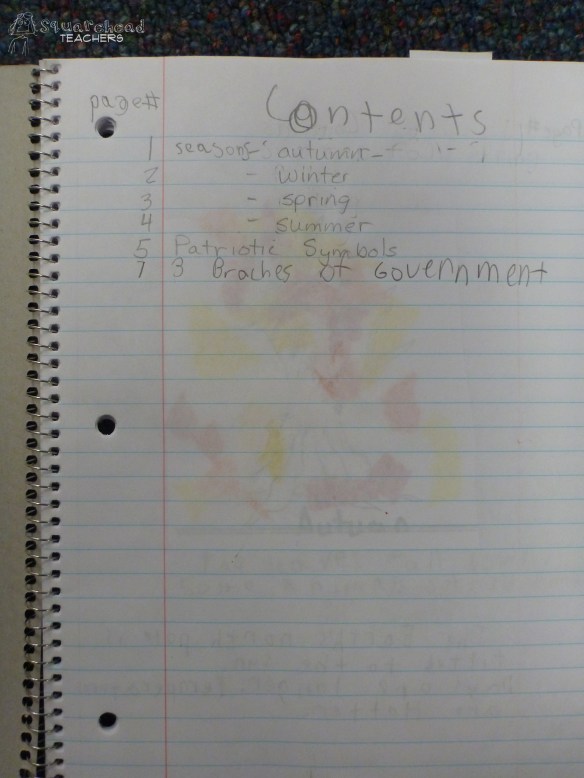
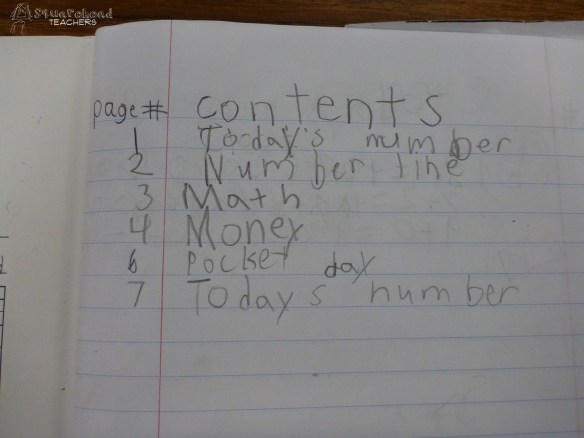
2. Use the first sheet (front/back) for the table of contents. Each time you have students start a new journal entry/topic, have them add it to the table of contents. Then, when they’re looking for their notes on a certain topic, they’ll be able to fins it easily. This also means your students need to add page numbers as they go. I have conflicting thoughts about writing in all the page numbers in the beginning. PRO- you don’t have to worry about it each time you start a new set of notes. CON- if your kids tear out pages, they can get confused when there’s no page 16.
P1030238

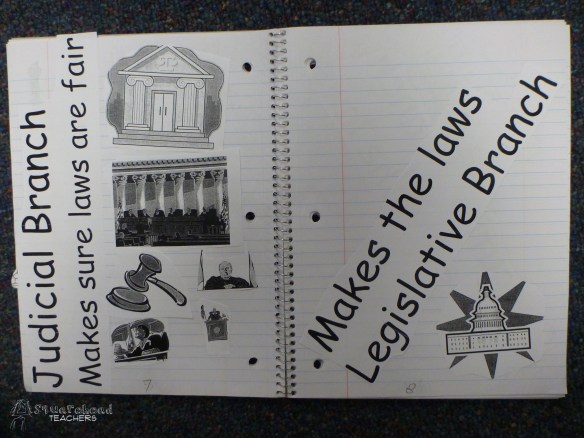
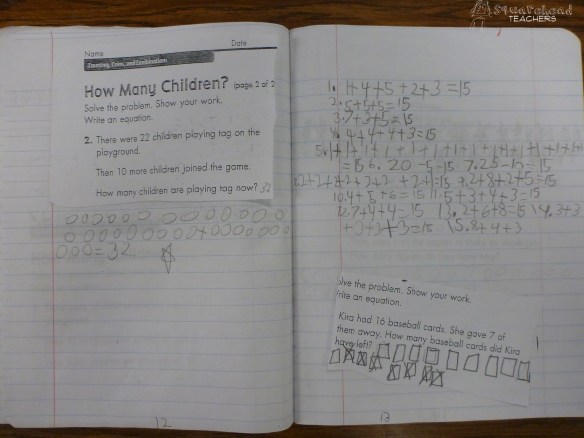
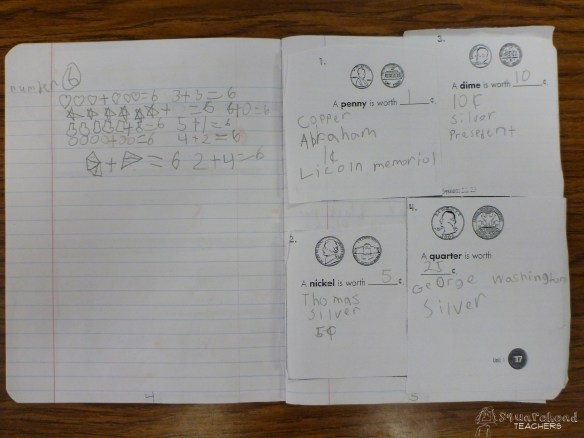
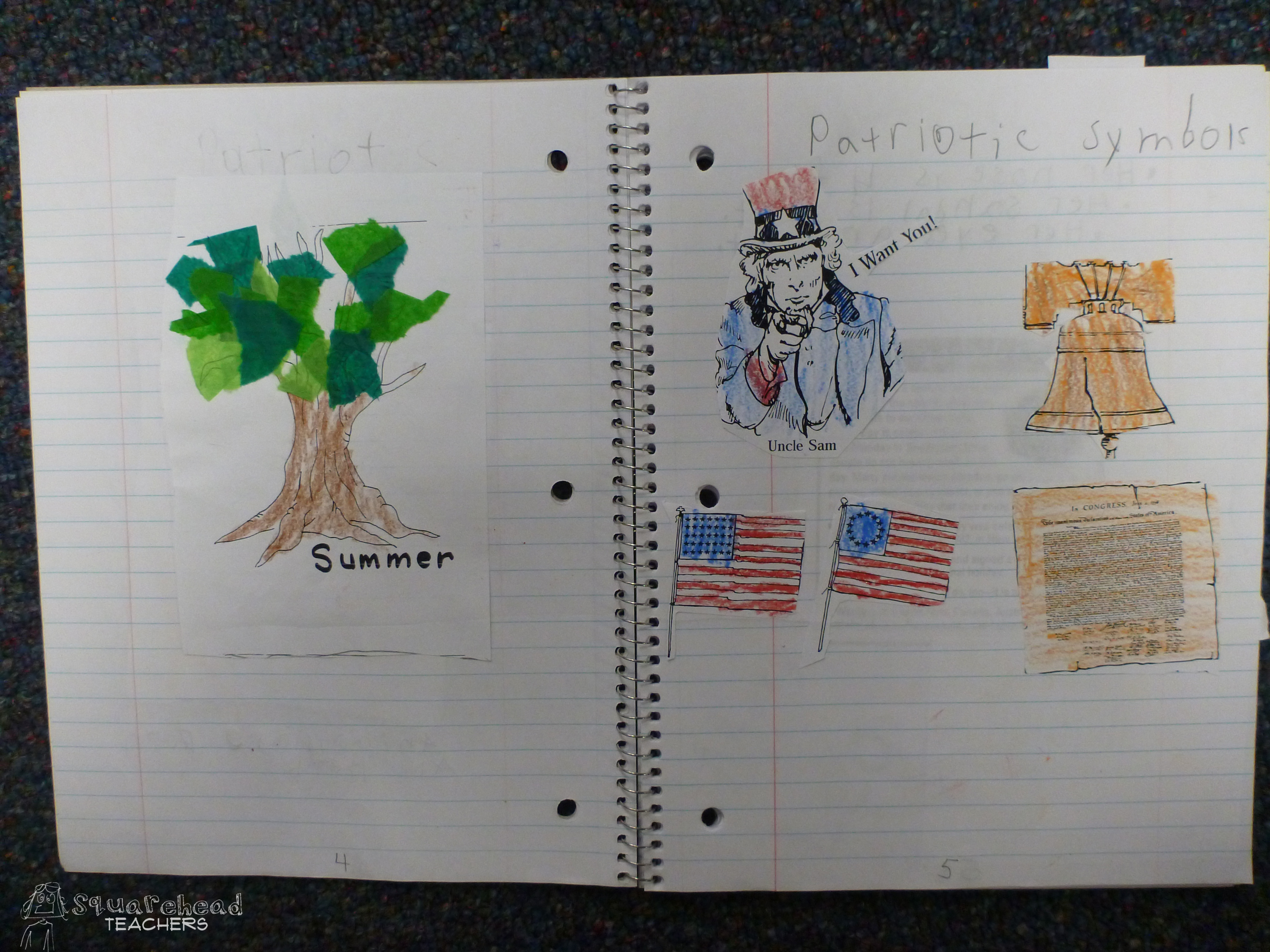
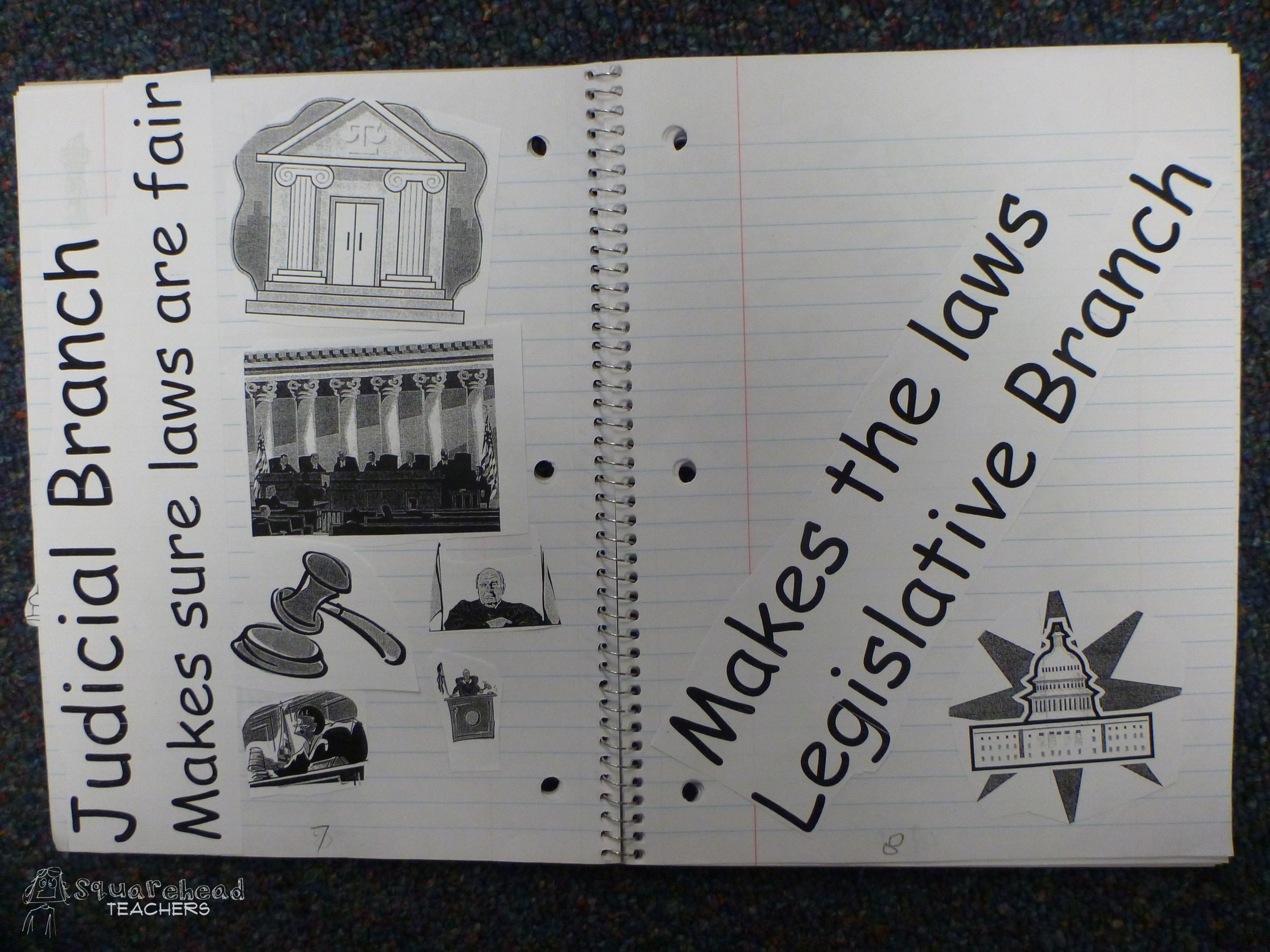
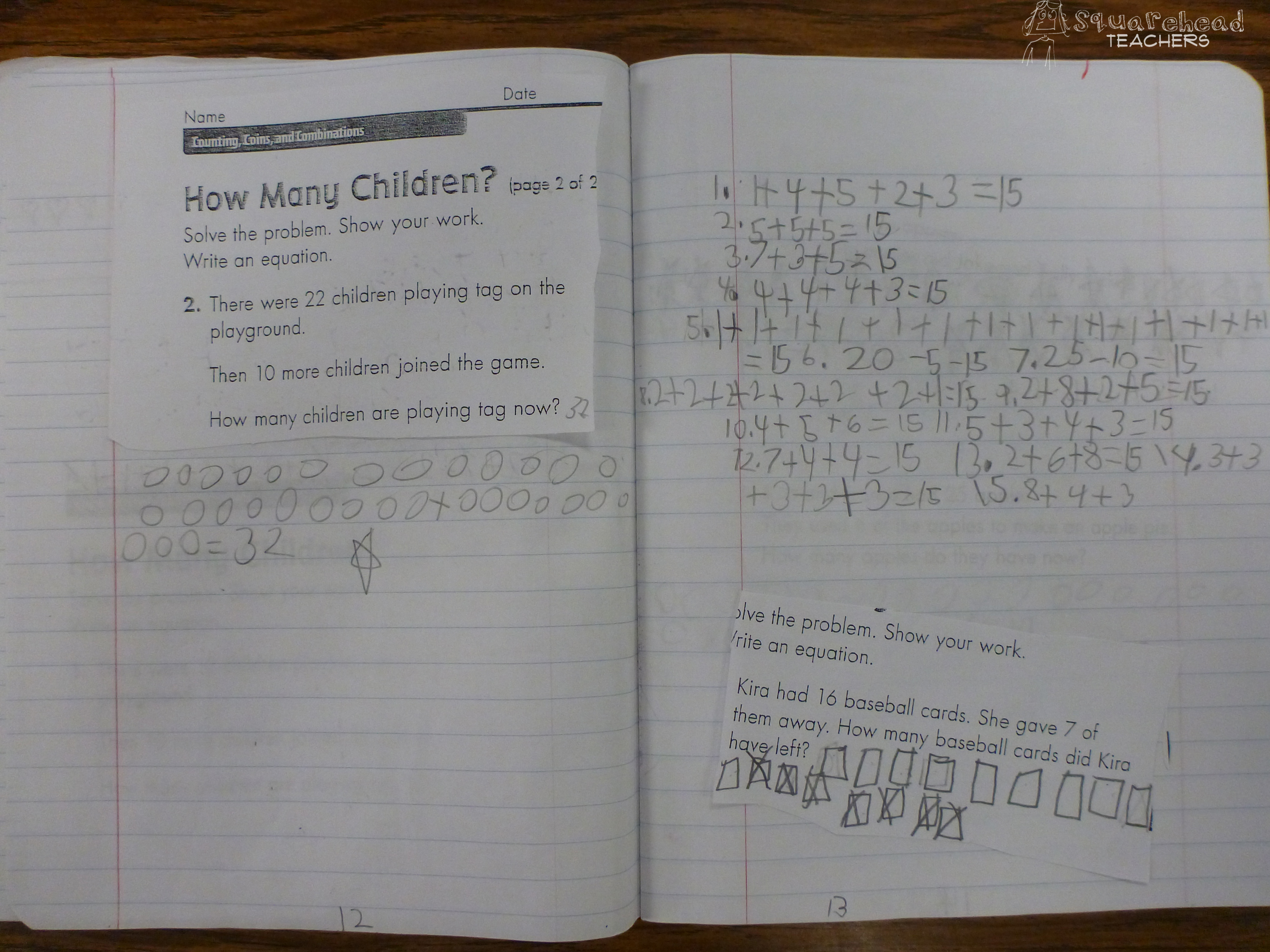
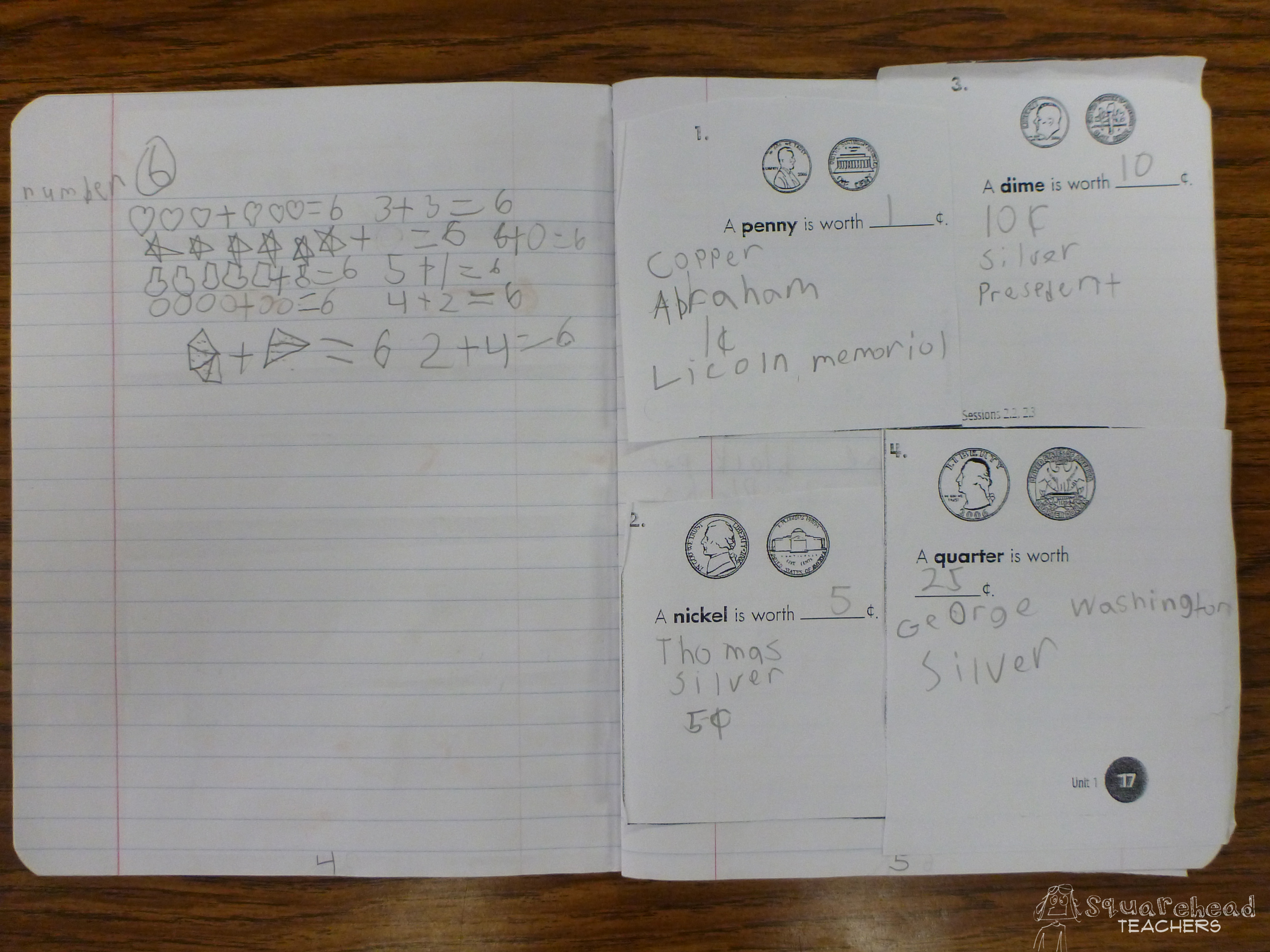
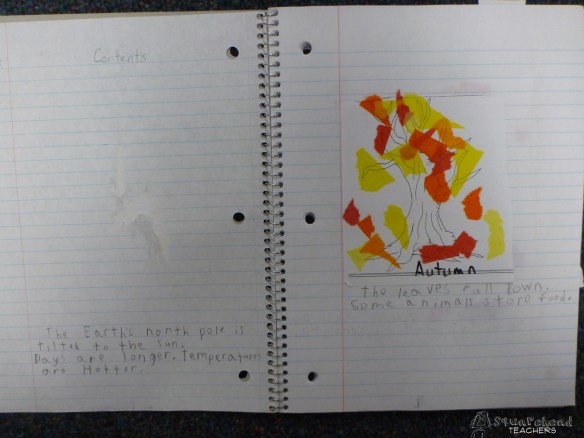
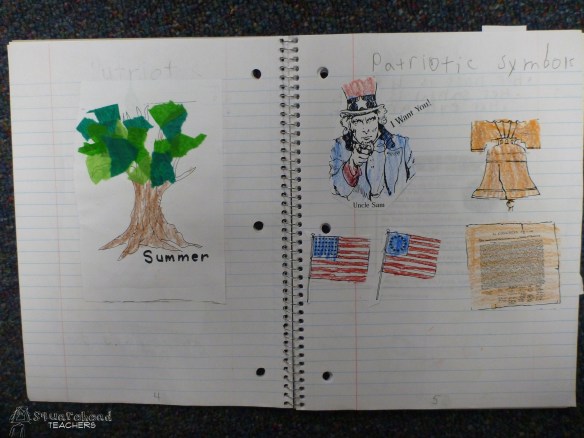
3. Do projects directly in the journal… or have them glued in when kids finish the project. This way, you can refer back to projects/assignments you’ve done when you need to review for a test, etc.
P1030239 P1030240 P1030241

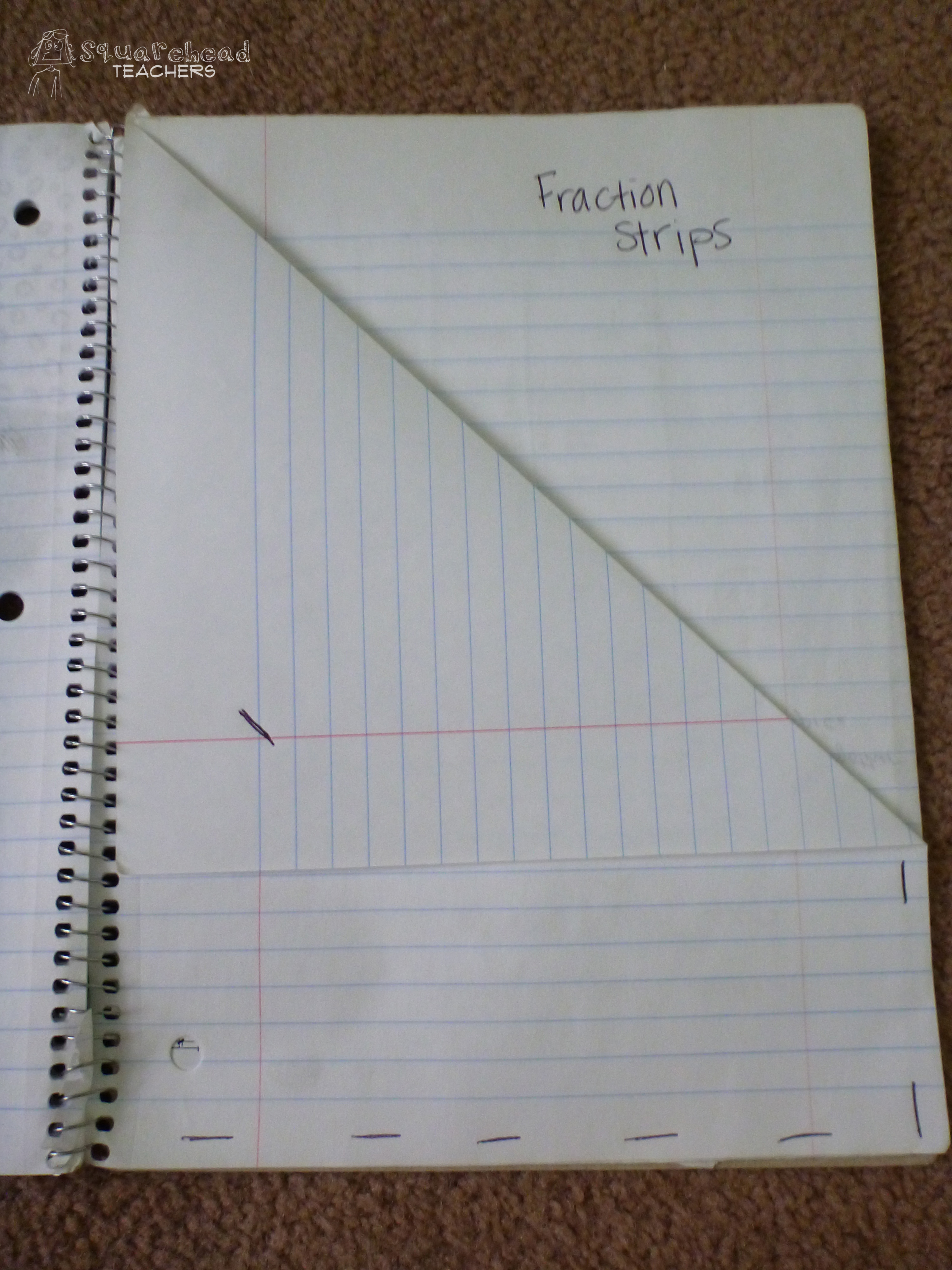
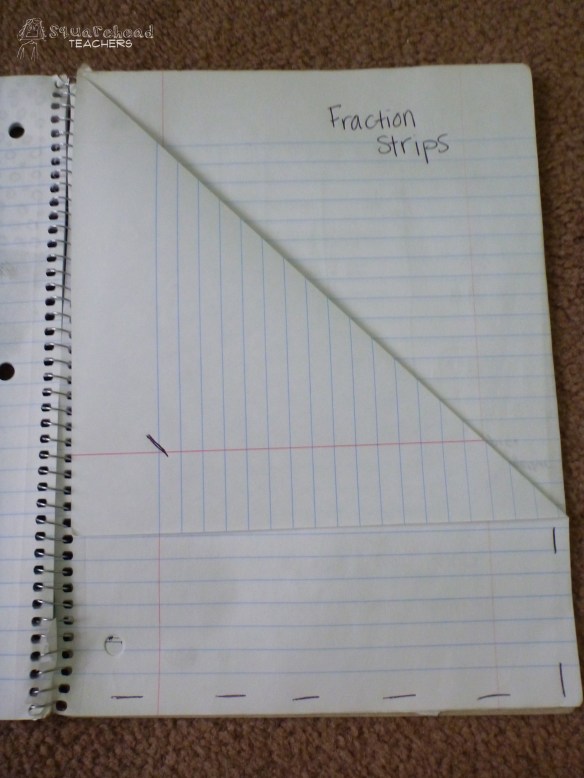
4. Pockets are awesome. Sometimes you want students to keep a project, but you don’t want it glued down. So pockets do the trick. Fold down one corner of a sheet and staple it to the page behind it. Label the pocket, so kids will know what goes in the pocket. Some teachers like the triangle cut off, but I sometimes just have them staple it down to save time (I walk around with the stapler, since it just seems to work out better when I do it). Make sure you have the folded triangle on the outside, or sometimes things get stick inside the pocket. Cut or staple the triangle piece, it’s up to you…
P1050168

If you have to combine 2 subjects into one notebook, you’ll have to figure out a way to keep the subjects straight. Some teachers have the kids start one subject on one side, have them flip the book over and start from the back on the second subject. This way, there are 2 front covers and no back cover. My only caution with this is to make sure your kids understand how this flipping ordeal works and that they open to the right part of the book each time you start a lesson.

I also make a sample journal as the students make theirs. This way, I can model exactly how I want theirs to look, and the struggling kids can just copy me each time.

Oooh! One more thought. Sometimes, for really important things, I give students a quarter sheet of colored paper and ask them to write main ideas on it before gluing it to the page. This way, you’ve got the effect of highlighting without the mess of the marker. And everyone’s looks the same. For my 6th grade math journals, I did this with things like formulas. This way, I could always say “the formula you need is on a bright orange square in your journal. Go find it in your notes.”

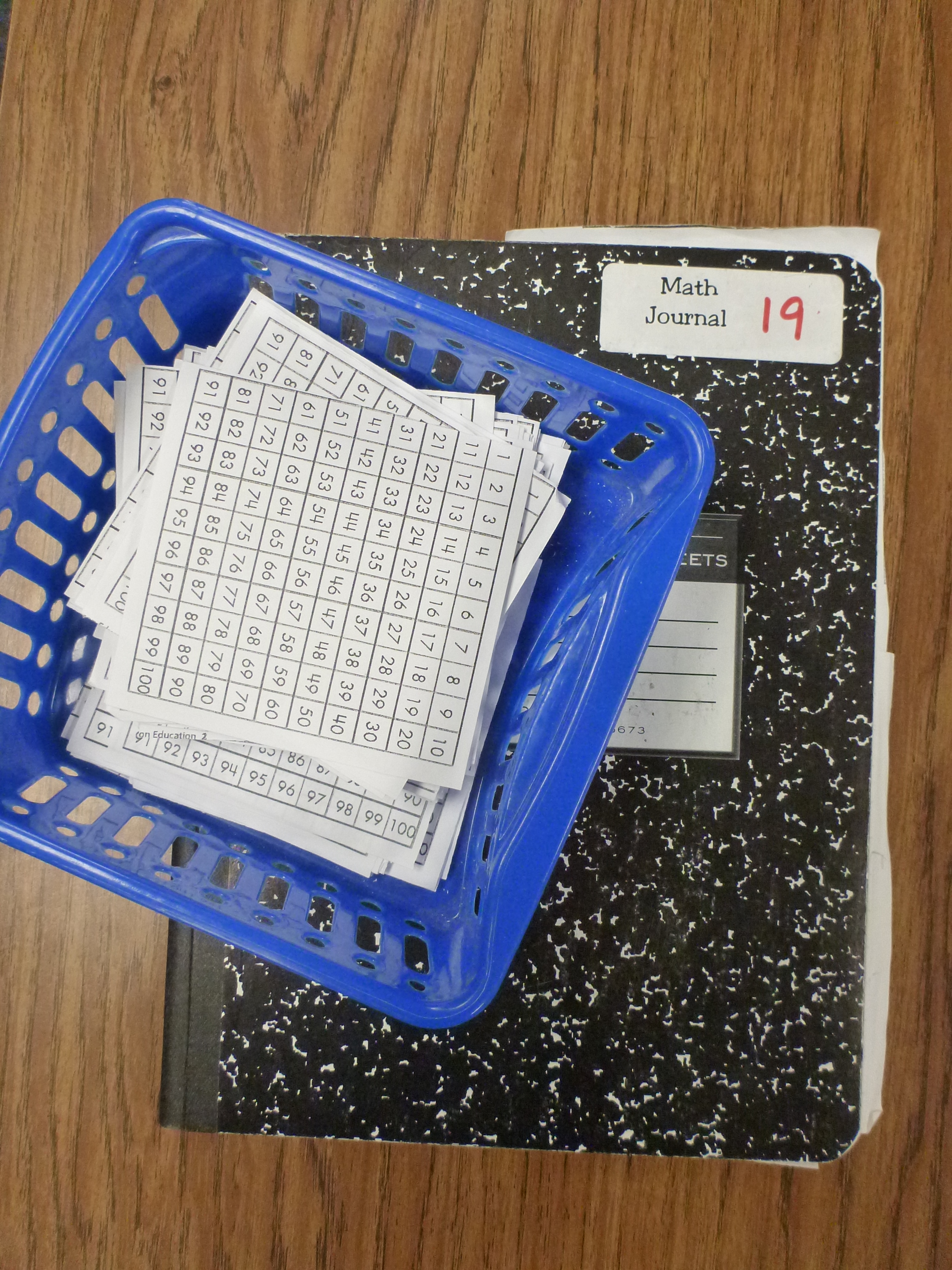
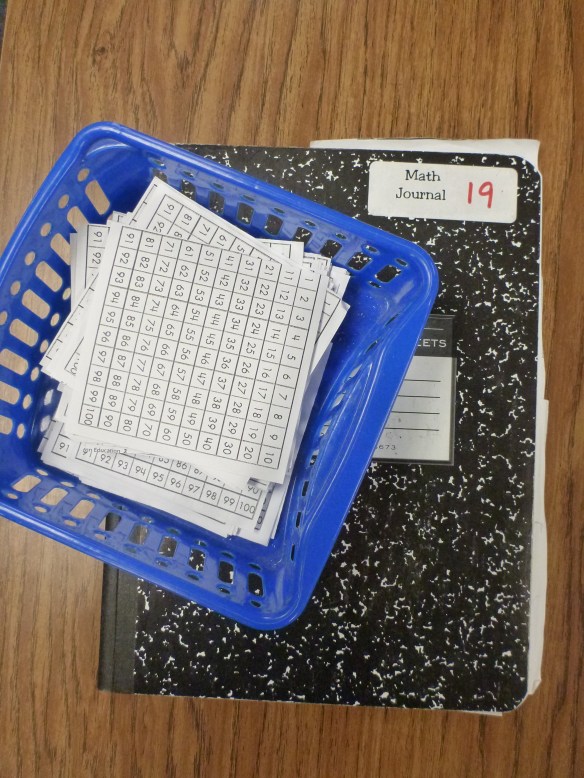
One teacher I discussed this with keeps lots of extra copies of a hundreds chart handy so she can use them in math journals.
P1030236

P1030233

P1030235 P1030234

Click here for more free math stuff!


Easy Fluency Bulletin Board

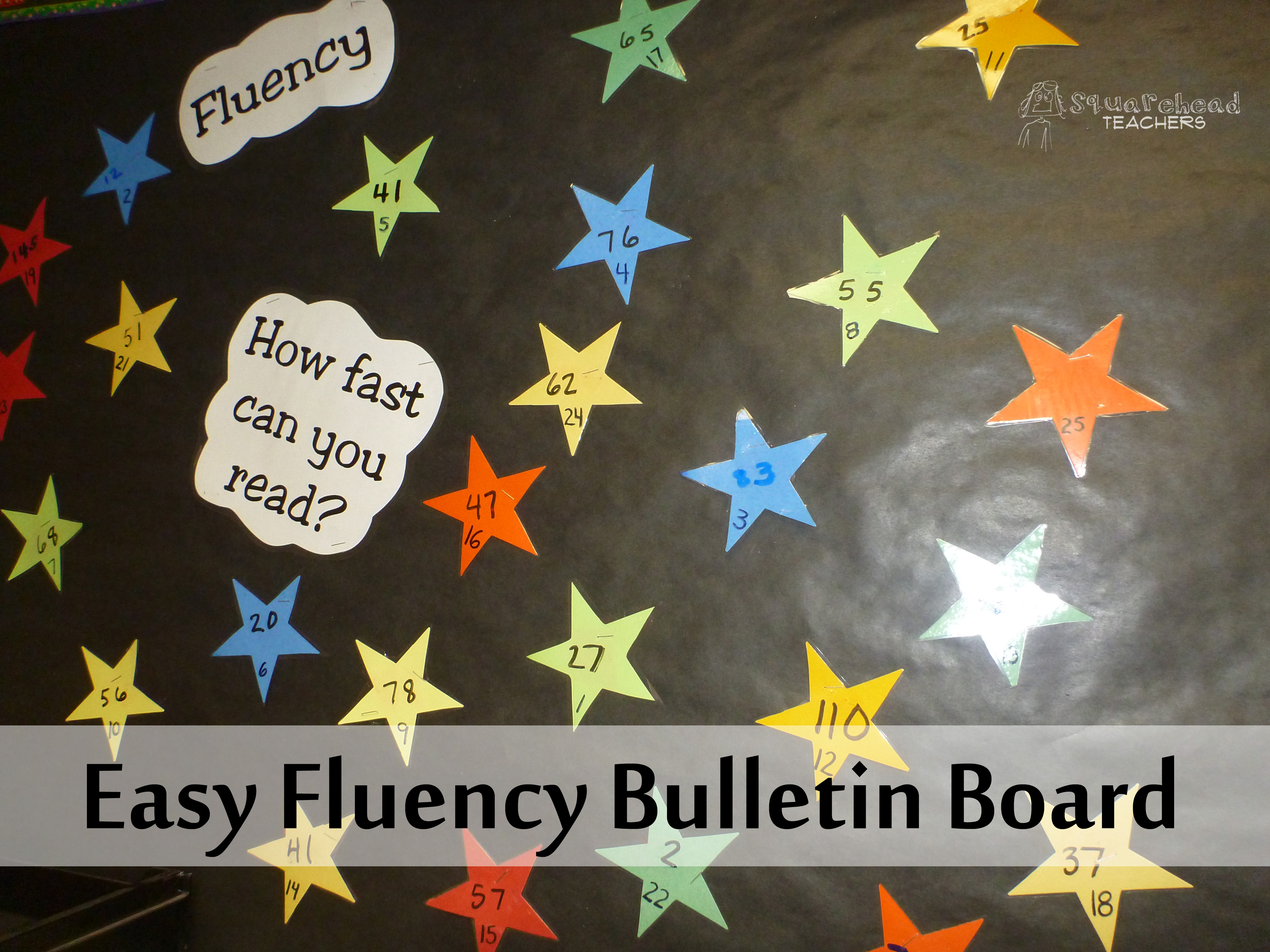
Here’s one way a teacher I know helps kids stay motivated with fluency. She’d got a bulletin board (not huge) with a star for every student. Each star has the student’s classroom number on it (not their name- for privacy reasons, and so she can use it the following year). All the start are laminated after she writes the number on it. About once or twice a month, she updates each kid’s star to show their current words per minute rate. She’s noticed that this really motivates some kids and it’s an easy way to show her class that fluency is important.

fluency bulletin board


This idea could easily be adapted for  home school kids. Laminate a shape and put it on your fridge. I guess there’s no real way to keep it anonymous, since your kids can probably figure out whose star is whose… But it’s still a good way to show that you as the parent value fluency.

Fluency in a Flash! (Easy Literacy Center)

Here’s a great way to get more use out of those leveled reader books you use for a week and then have to put back in the box until next year… and make an easy center for your students! After you’ve gone through the books with your guided reading groups and are moving on to the next set of books, place the ones you’ve already used in a box or plastic shoe box. Also include a bunch of timers for kids to use while they do a 1 minute timing. If your kids are on various levels, make a list of which kids use which books (for example, list kids who use the books with the red tab, green tab, etc.). Include copies of some basic story graphic organizers. Here’s what kids do for the center:

1. Whisper read the entire book. They should have seen it last week, so it won’t be killer. If you have those plastic PVC pipe phones, use them for this step too.

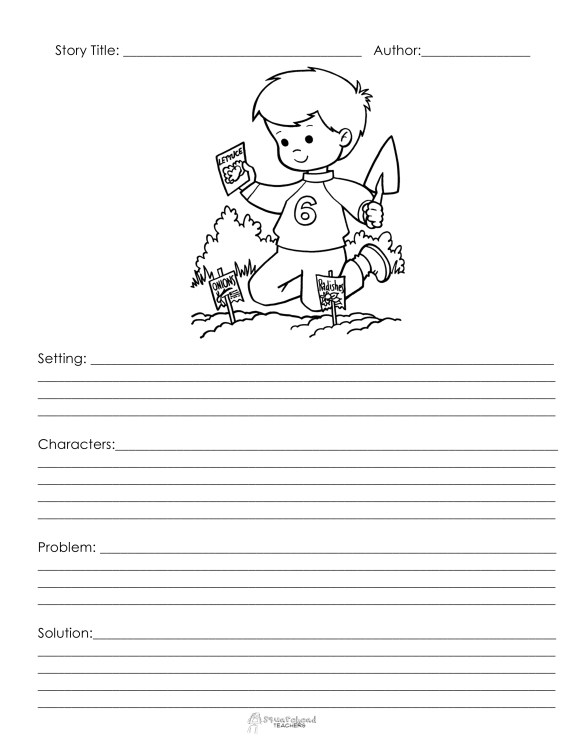
2. Fill out a graphic organizer about the book.

3.  Turn to the first page of the book and start the timer counting down from 1 minute. When the timer stops, have them use a paper clip to mark where they finished. Have them do it a second time to see if they can get farther the second time.

So here’s the overall supplies list for the center:

  • leveled readers from last week (and current list of kids’ levels)
  • box/plastic shoe box
  • copies of a basic graphic organizer
  • paper clips
  • timers
  • whisper reading PVC pipe phones (optional)

fluency in a flash

Easy Parts of Speech Program

Parts of speech can be pretty lame to teach (and hard to teach) if you don’t have a good, painless way to do it a little at a time. Here’s what one school does:

  • Each part of speech is assigned a color (adjectives are brown, nouns are blue, etc.)
  • Each classroom has the same posters up (so there’s consistency as the kids move through the grades).
  • Teachers use sticky tabs to add examples of the part of speech to the poster.
  • The class diagrams a sentence on the board by moving magnets (foam squares with a magnet on the back) above the words to identify them.
  • Kids record these sentences and identify parts of speech in their literacy notebooks.
P1030194

Parts of speech posters.

P1030195

Parts of speech posters.


P1030252

Literacy journal page

P1030253

Magnets for diagramming sentences on the board.

Flower Paragraph Planner/Graphic Organizer

Flower Paragraph Planner sticker

Here’s a paragraph writing planner that will help your students understand the parts of a paragraph. After they fill in the flower side, have them write their rough draft paragraph using the provided lines. Often I find lots of cute graphic organizers for kids, but kids don’t quite understand how to go from the cute picture to a paragraph of sentences. So this one’s very simple: plan and then write downs the ideas on the flower (from the top to the bottom) and they’ll have a complete paragraph. Click here for the PDF: Flower Paragraph Planner Enjoy!