Sneaking Graphs into Your Classroom

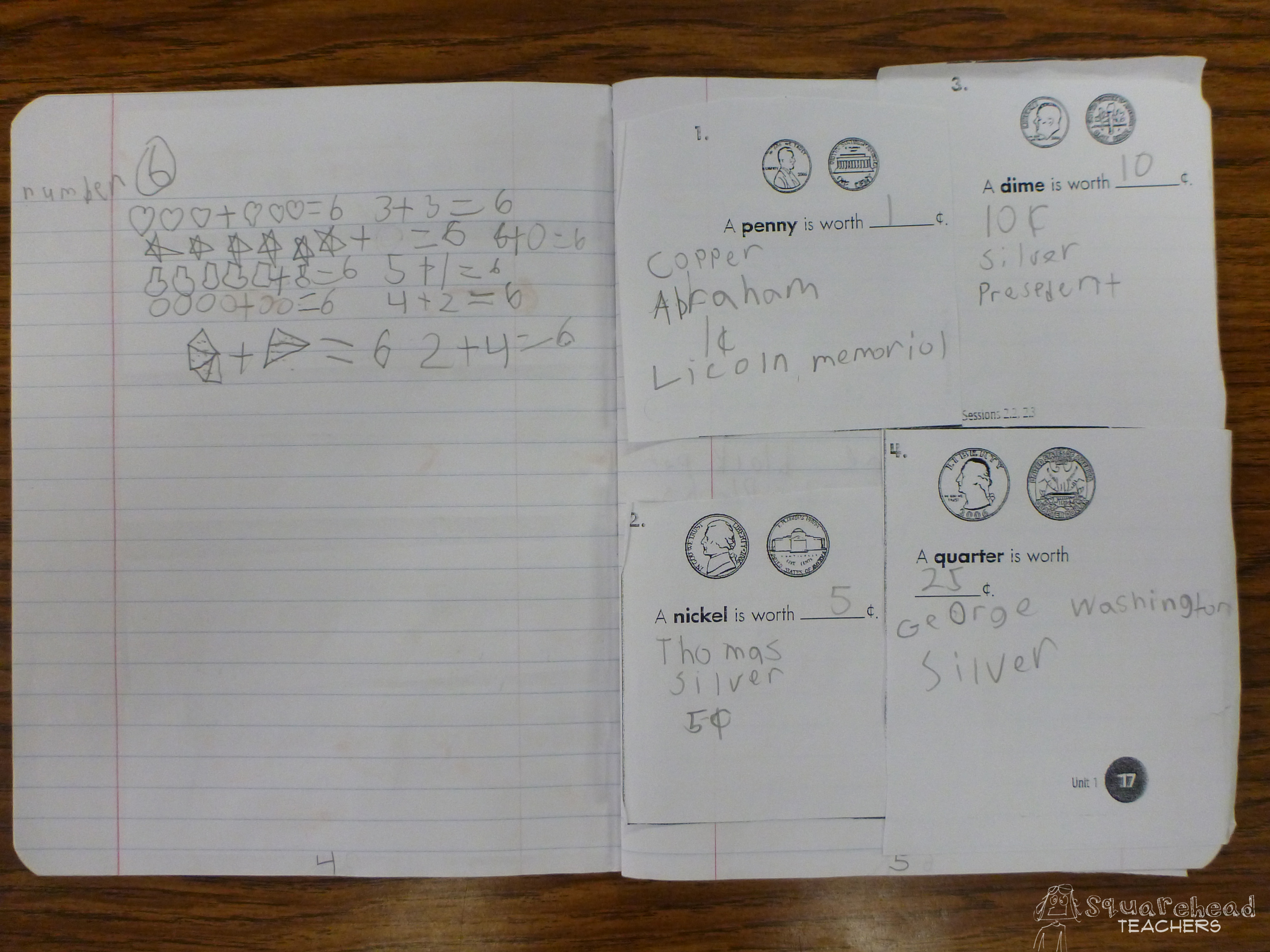
The ability to interpret graphs is a crucial skill in today’s world of standardized testing. Here are some creative ways elementary school teachers have brought graphing into their classroom:

P1030250 P1030322

How have you brought graphing into your classroom?

Click here for more free math stuff!

EASY Place Value Game… Around the World (with a twist!)

So you’ve probably heard about the classroom game, Around the World (IN A NUT SHELL: The teacher shows 2 students a math flash card. The first one to blurt out the answer moves to stand next to a new student’s seat and faces off with them using a new flash card. The winner gets to advance to a new student and the kids try to move as many seats as possible.) Here’s a fun twist on the classic game.

TEACHER PREP:

  1. Write any multi-digit number on a note card (for older grades, add decimal points)
  2. Underline 1 digit in the number
  3. Repeat until you have a stack of cards
  4. OPTIONAL: label the back of each card so you know what place value is underlined on the front (tens, hundreds, thousands…)

PLAY:  Instead of telling you the answer to a math fact (like in regular Around the World), the student must name the place value underlined on the card to win the face-off.

place value song

Submitted by a 2nd grade teacher in AZ. Thanks!

Click here for more free math stuff!

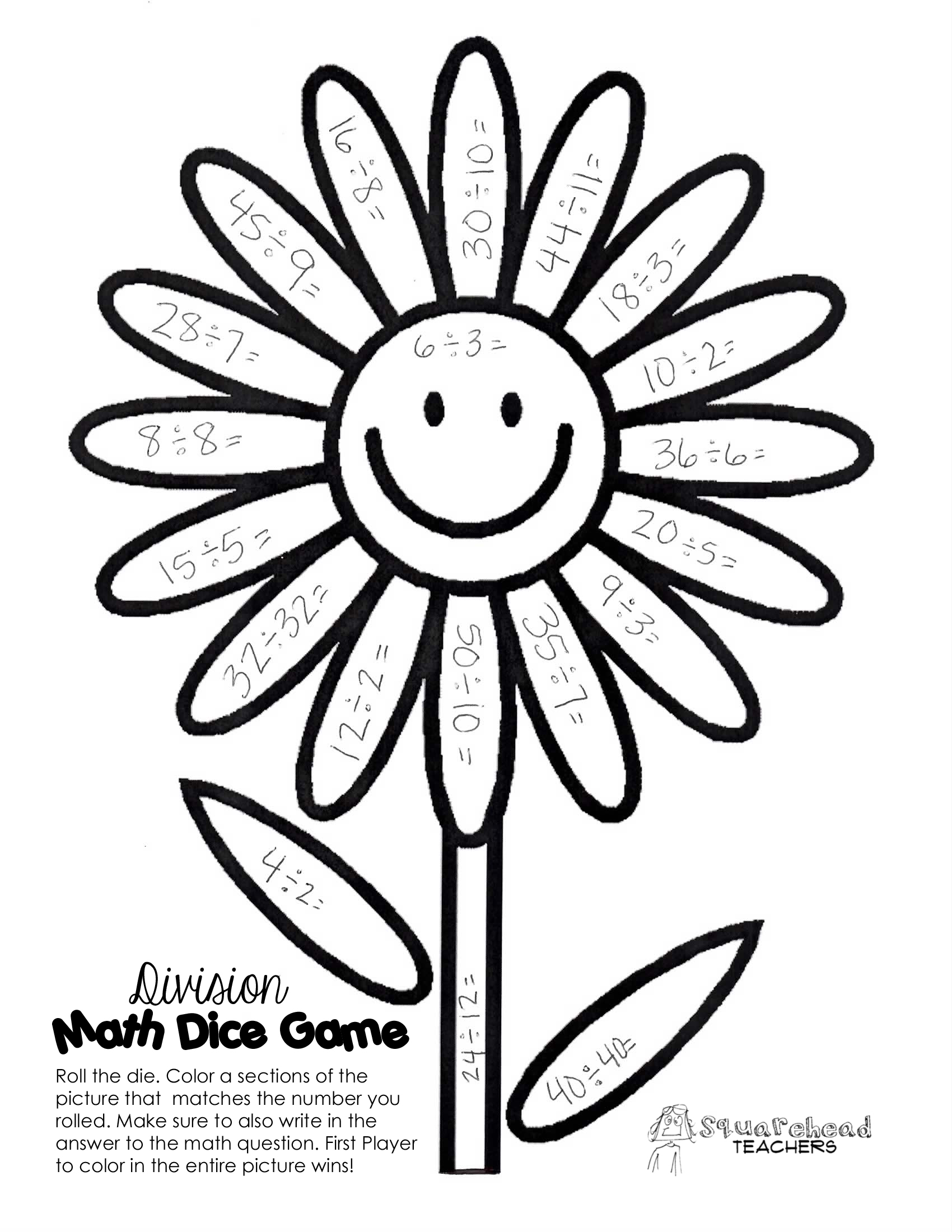
Spring Time Math Facts Dice Game

I love playing math games… and what student can’t benefit from some basic math facts practice. So here’s a game for you.

  1. Print 1 copy of the worksheet for each player.
  2. Roll the die (let’s say you roll a 5)
  3. Color in the section of the picture that equals the number you rolled (for example, you could color in the section labeled “4+1=”). Make sure you write the answer in the section so it becomes a complete number sentence (“4+1=5”).
  4. Take turns rolling, and coloring (any color you want)
  5. First player to color in the entire page wins!

Make sure you choose the operation you want: basic addition, basic subtraction, basic multiplication or basic division. Happy Spring!EPSON MFP image

EPSON MFP imageEPSON MFP imageEPSON MFP image


Click here for more free math stuff!

Classroom Journal Tips

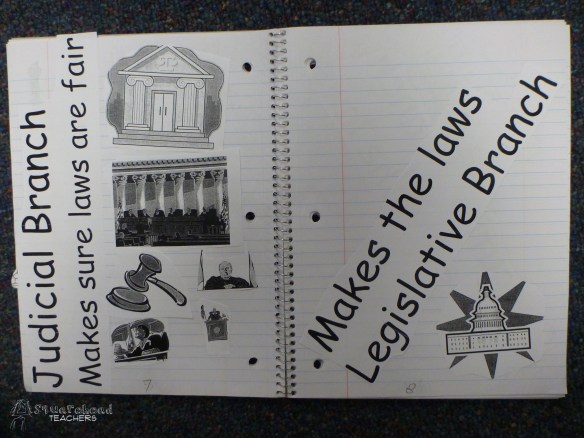
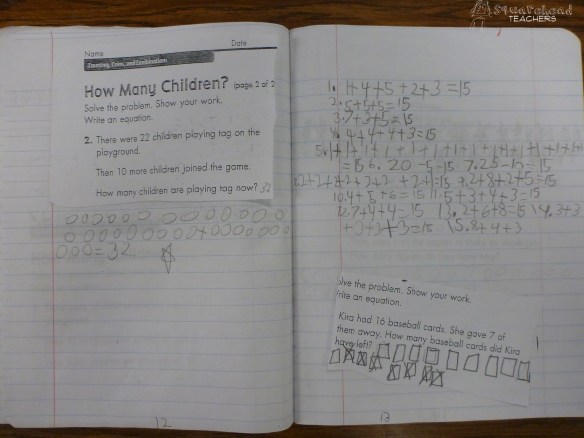
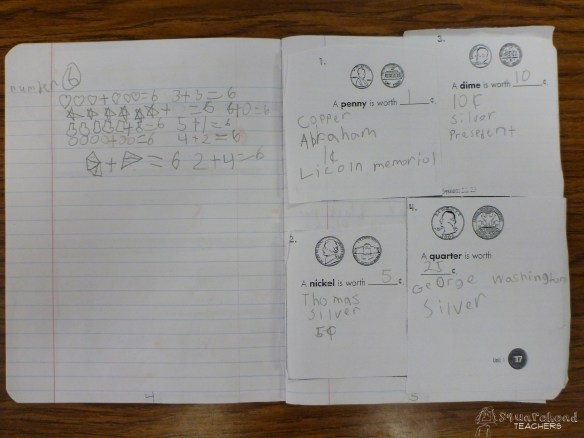
Keeping journals is a great way to help students keep new information recorded and stored in a neat and useful way. Many teachers give their students notebooks for each core subject and expect students to maintain their own journal to use for note taking during lessons and future reference. I love this idea! I’ve done it with my own classes. But if you’re going to do journals, do them the smart way. Here’s what I mean:

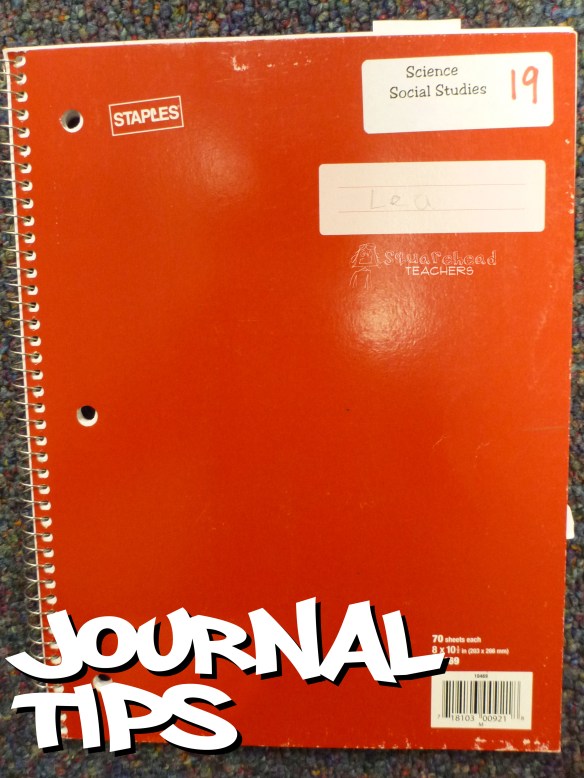
1. Choose a specific color for the subject. Get that same color journal for each student. If you can’t find an entire class set of 1 color, try 2 colors that are easy to remember. So when your student says “Wait! Which one is our science journal?” You can tell them what color notebook to look for. Also make sure the notebooks are clearly labeled with the student’s name, classroom number and what subject the journal is for. Tell students at the beginning of the year that the journal is only for that subject, not for drawing, writing notes to a friend, etc.
P1030237

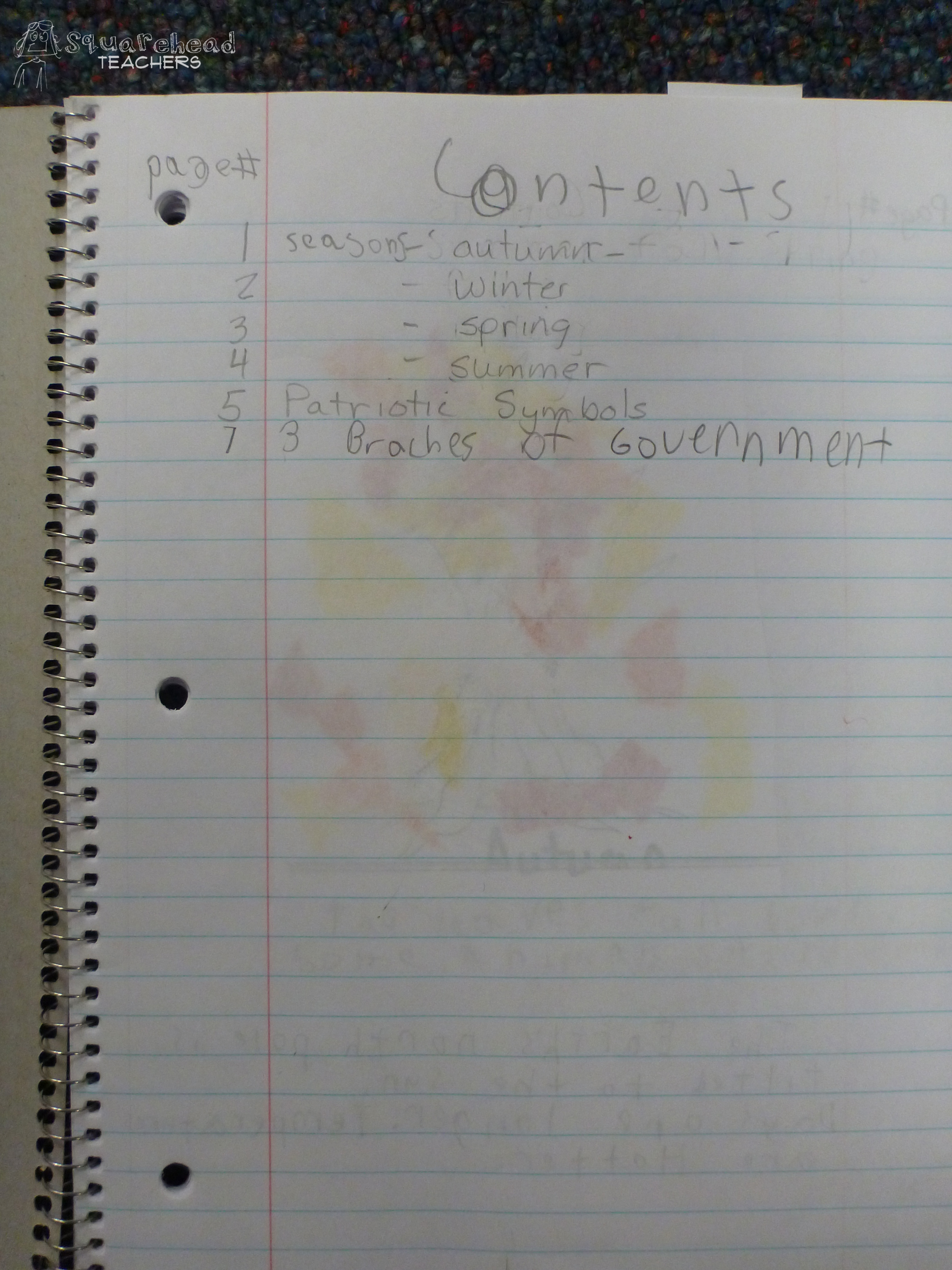
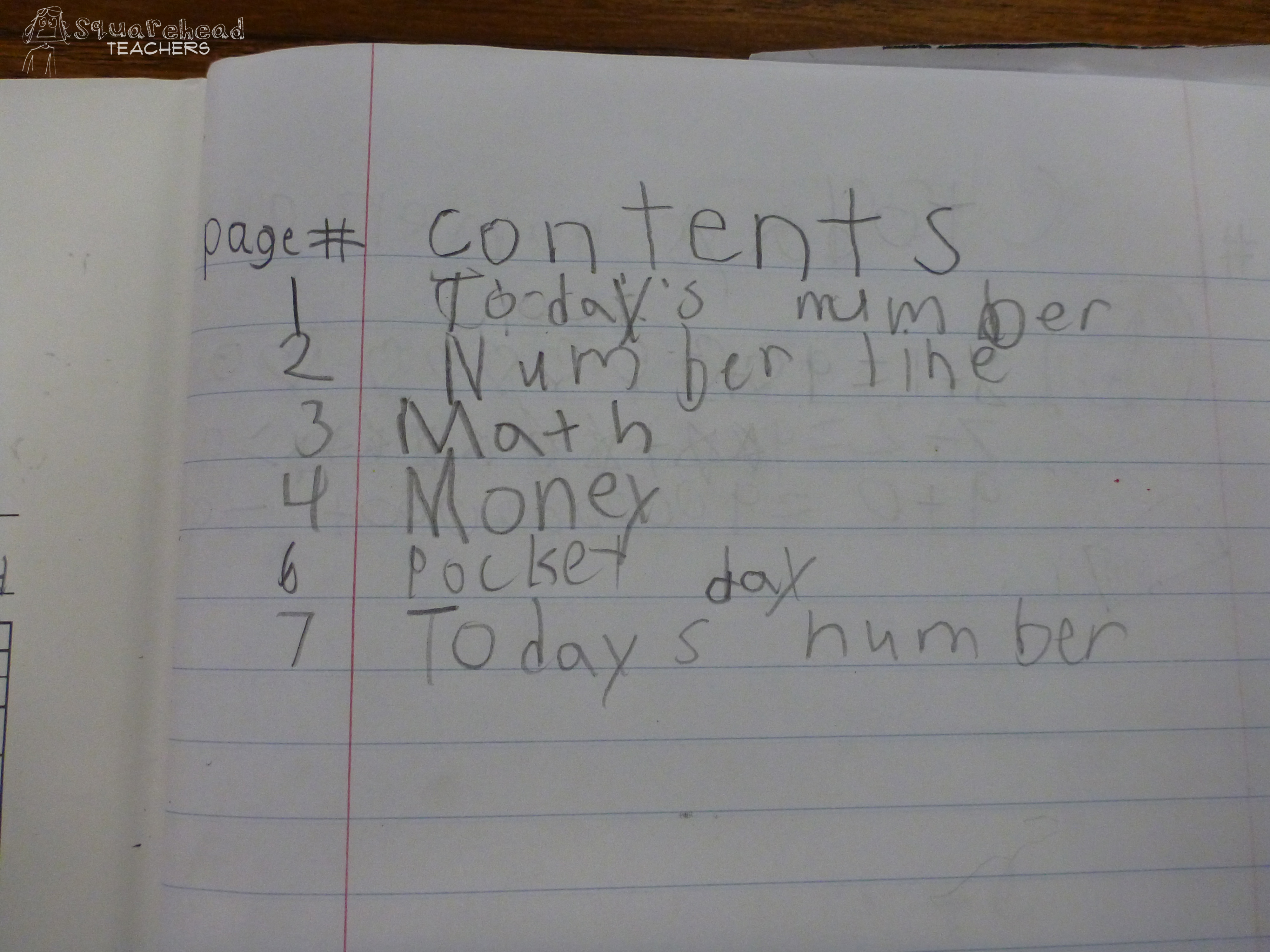
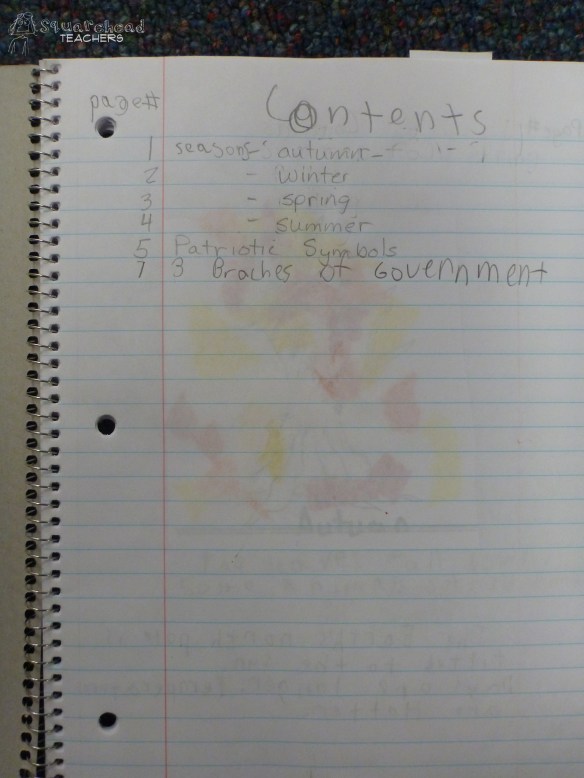
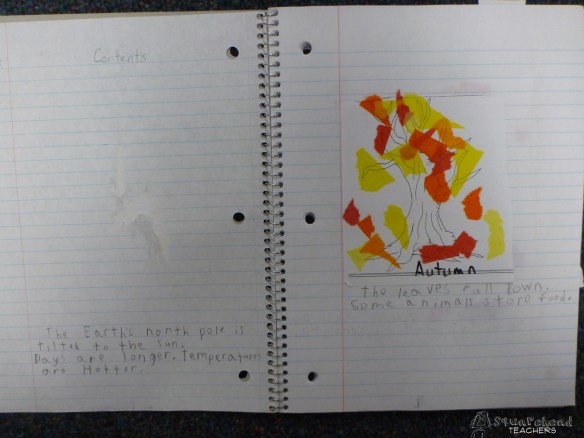
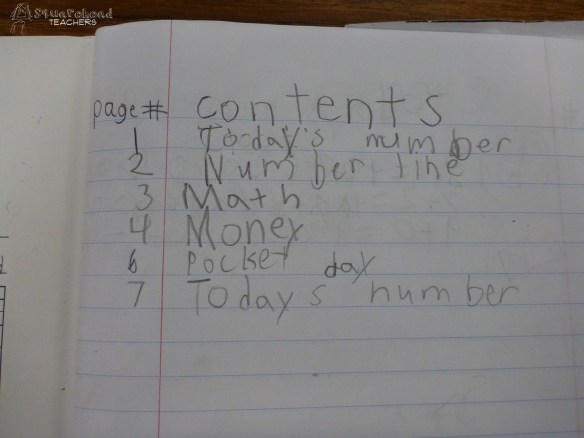
2. Use the first sheet (front/back) for the table of contents. Each time you have students start a new journal entry/topic, have them add it to the table of contents. Then, when they’re looking for their notes on a certain topic, they’ll be able to fins it easily. This also means your students need to add page numbers as they go. I have conflicting thoughts about writing in all the page numbers in the beginning. PRO- you don’t have to worry about it each time you start a new set of notes. CON- if your kids tear out pages, they can get confused when there’s no page 16.
P1030238

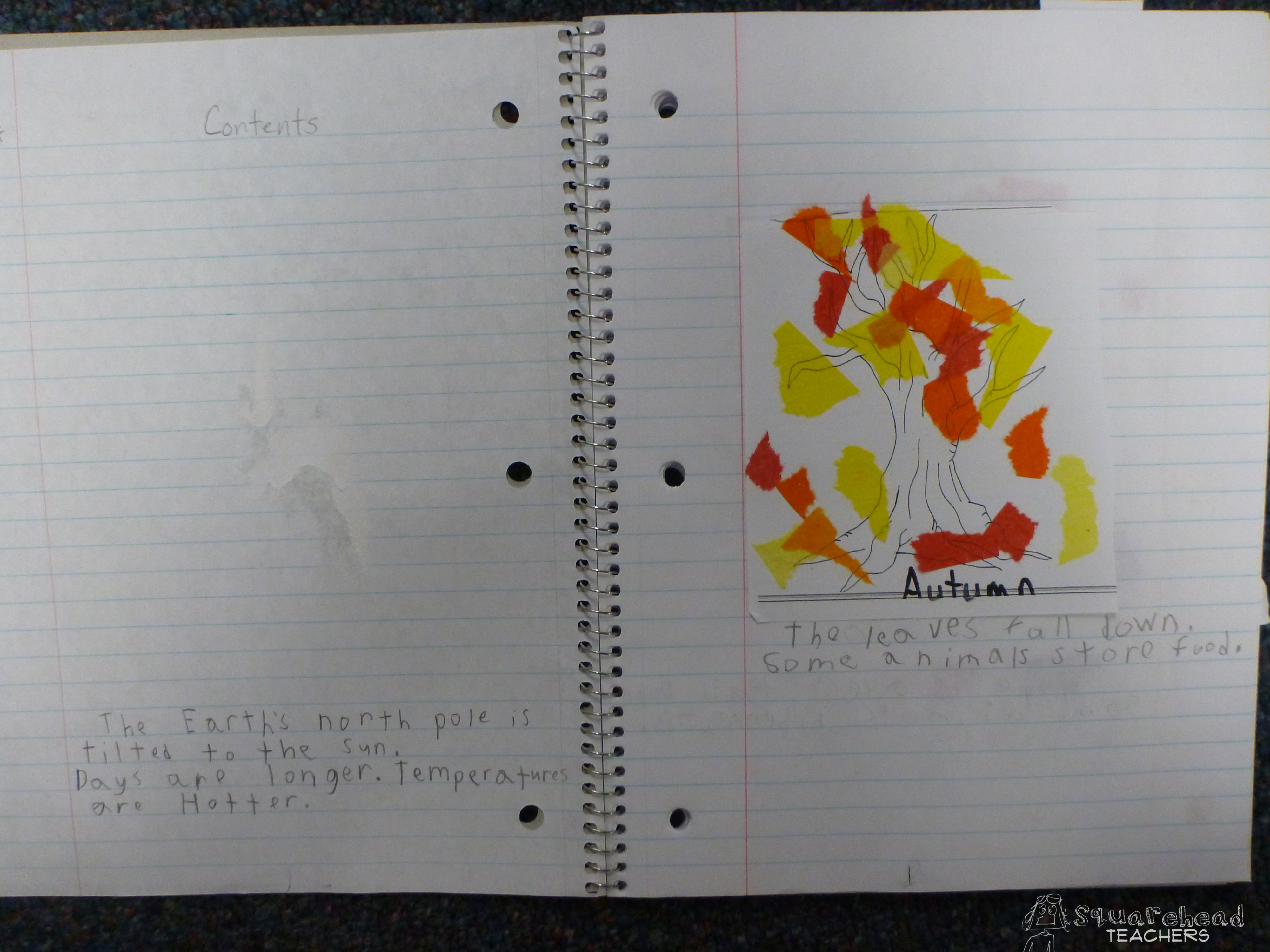
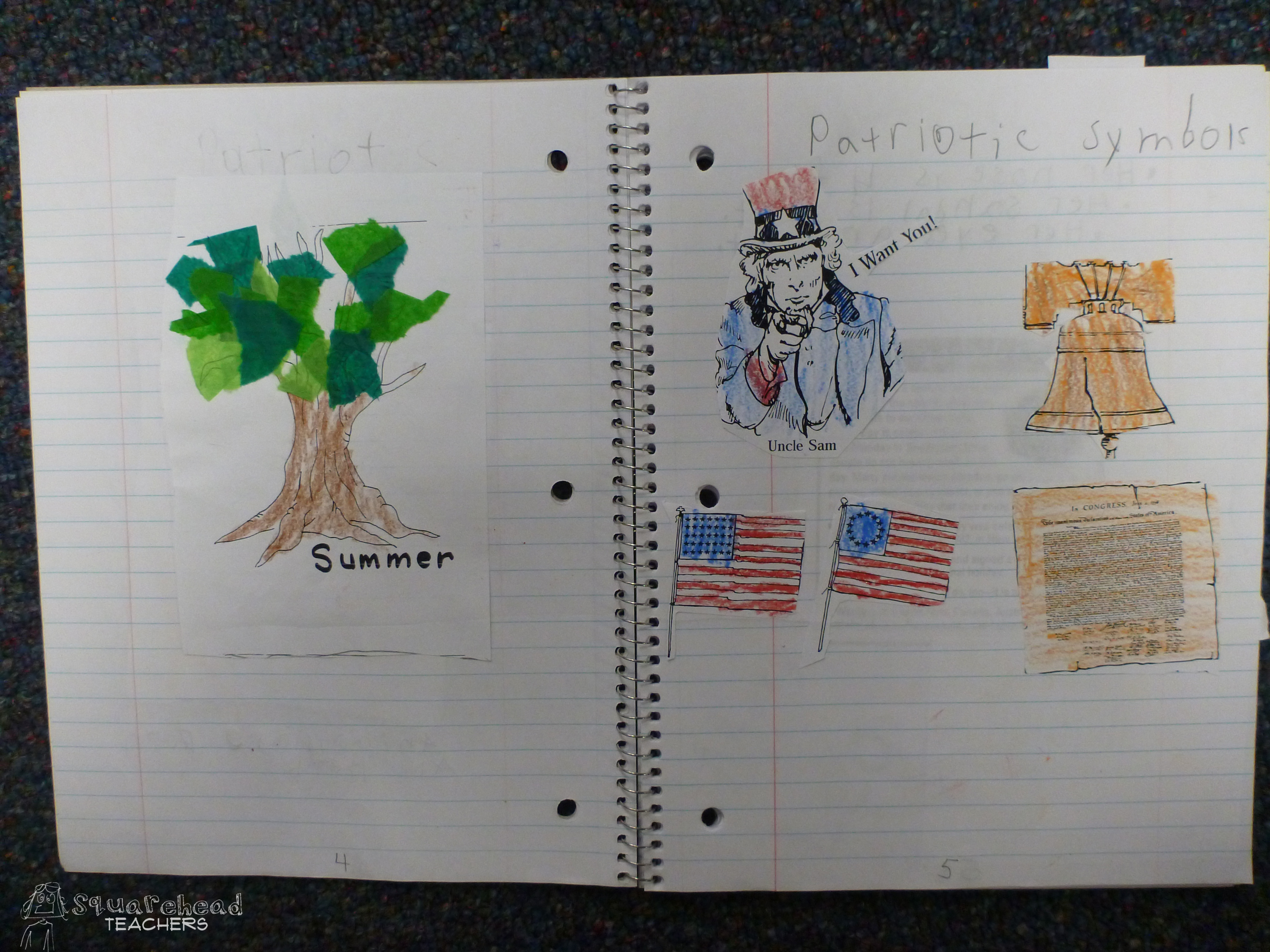
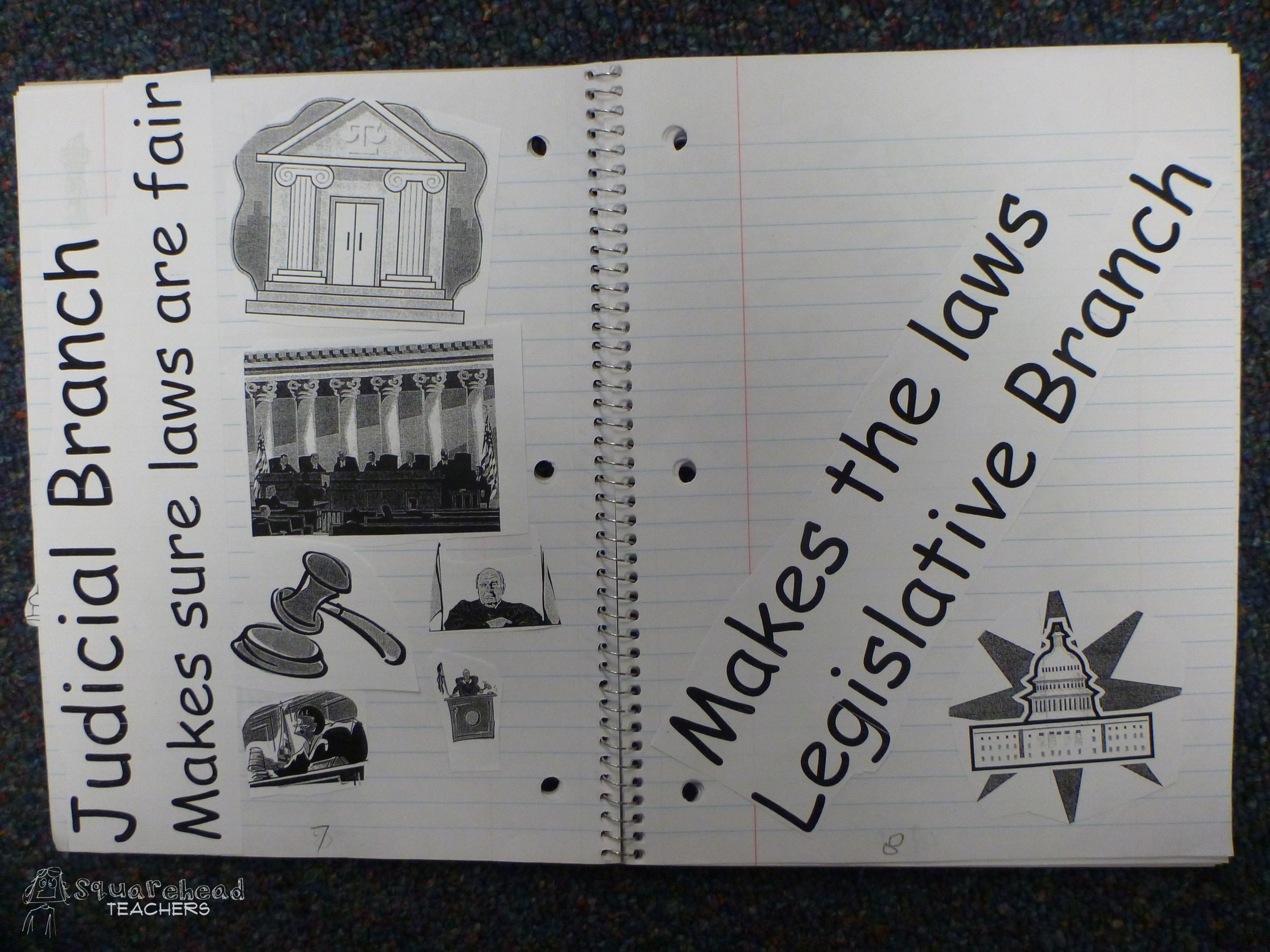
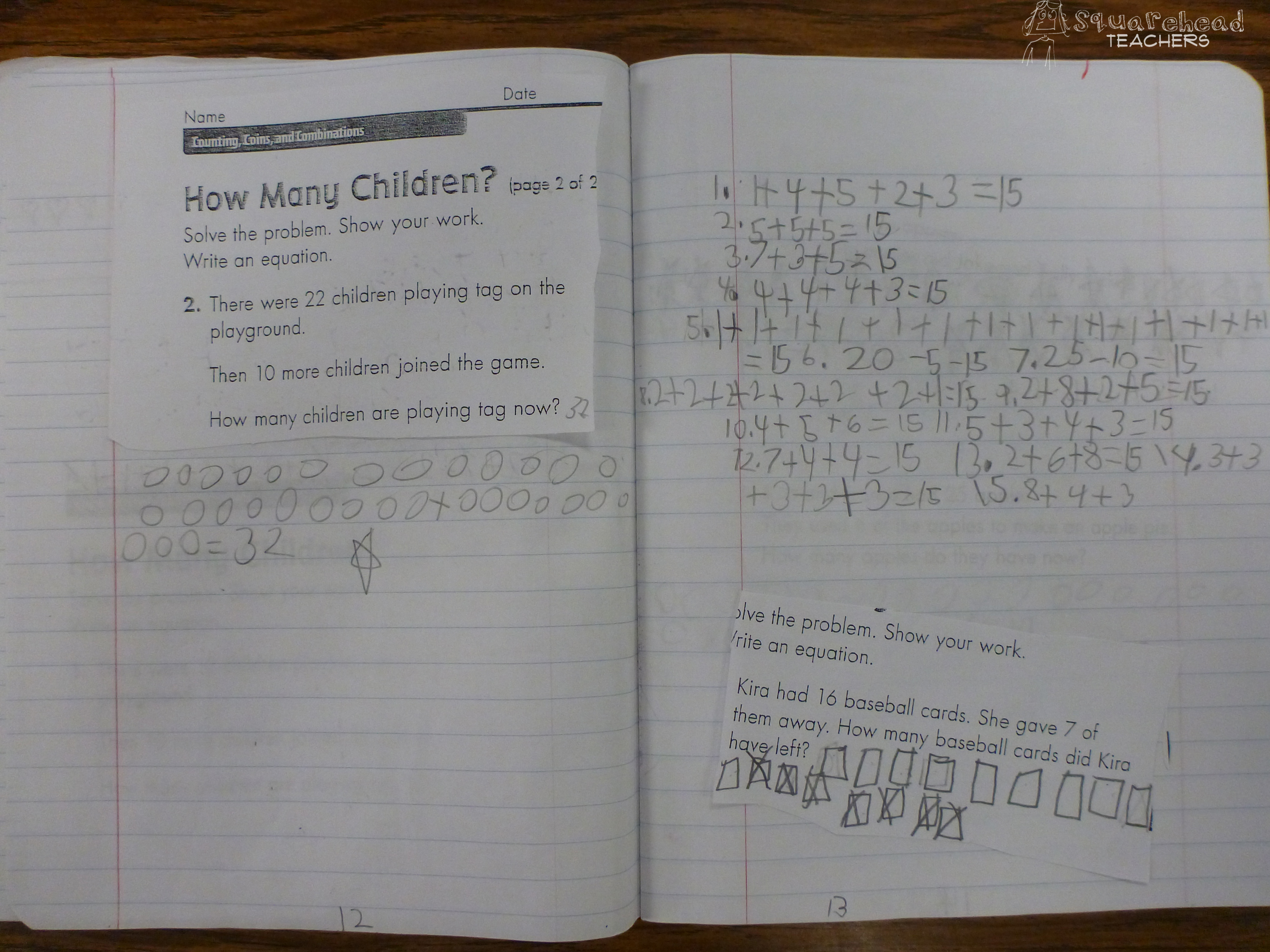
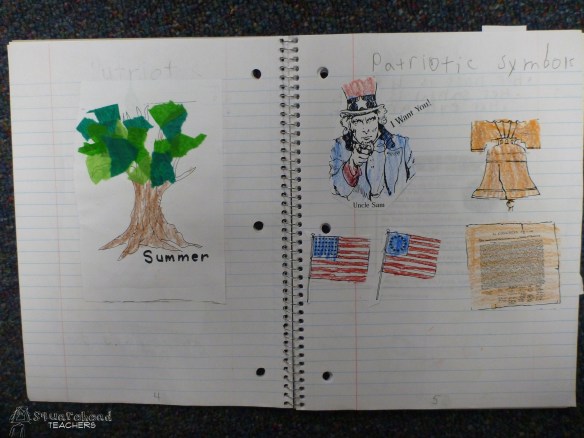
3. Do projects directly in the journal… or have them glued in when kids finish the project. This way, you can refer back to projects/assignments you’ve done when you need to review for a test, etc.
P1030239 P1030240 P1030241

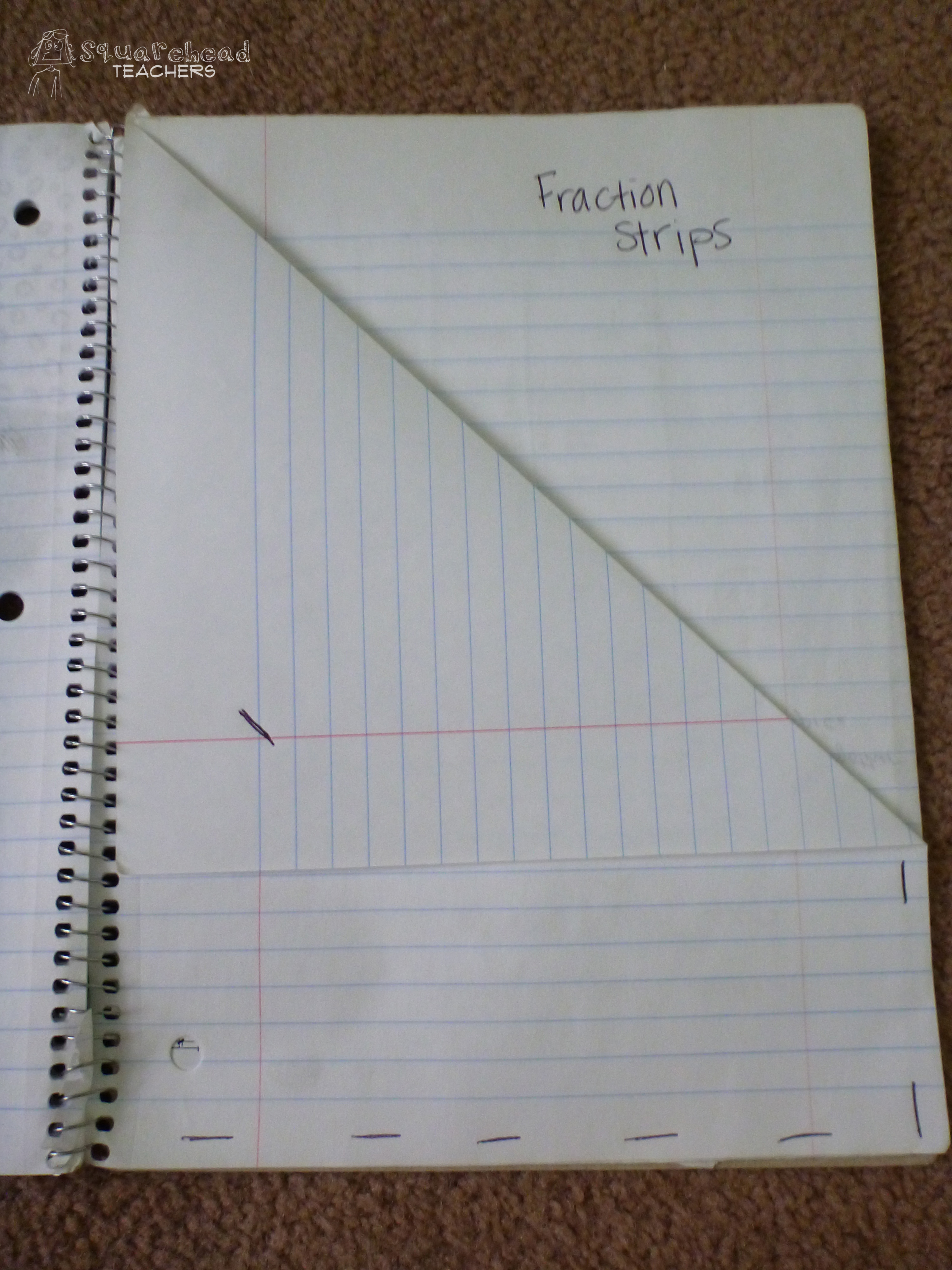
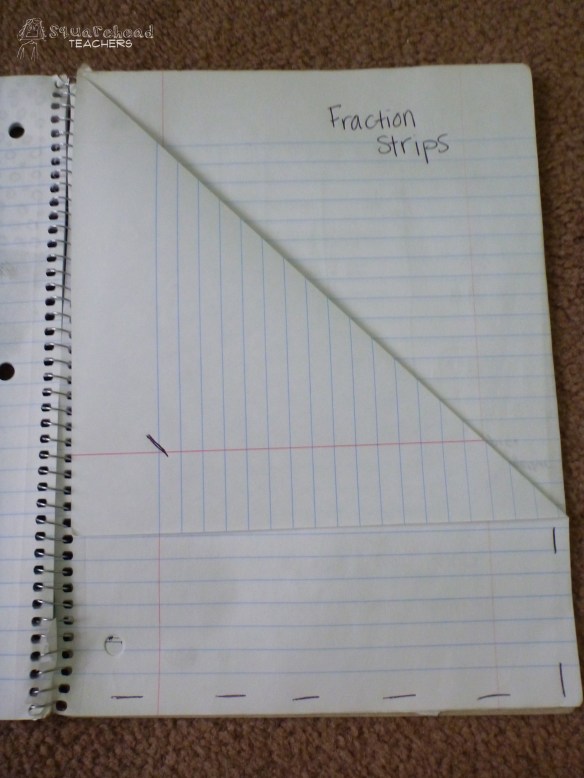
4. Pockets are awesome. Sometimes you want students to keep a project, but you don’t want it glued down. So pockets do the trick. Fold down one corner of a sheet and staple it to the page behind it. Label the pocket, so kids will know what goes in the pocket. Some teachers like the triangle cut off, but I sometimes just have them staple it down to save time (I walk around with the stapler, since it just seems to work out better when I do it). Make sure you have the folded triangle on the outside, or sometimes things get stick inside the pocket. Cut or staple the triangle piece, it’s up to you…
P1050168

If you have to combine 2 subjects into one notebook, you’ll have to figure out a way to keep the subjects straight. Some teachers have the kids start one subject on one side, have them flip the book over and start from the back on the second subject. This way, there are 2 front covers and no back cover. My only caution with this is to make sure your kids understand how this flipping ordeal works and that they open to the right part of the book each time you start a lesson.

I also make a sample journal as the students make theirs. This way, I can model exactly how I want theirs to look, and the struggling kids can just copy me each time.

Oooh! One more thought. Sometimes, for really important things, I give students a quarter sheet of colored paper and ask them to write main ideas on it before gluing it to the page. This way, you’ve got the effect of highlighting without the mess of the marker. And everyone’s looks the same. For my 6th grade math journals, I did this with things like formulas. This way, I could always say “the formula you need is on a bright orange square in your journal. Go find it in your notes.”

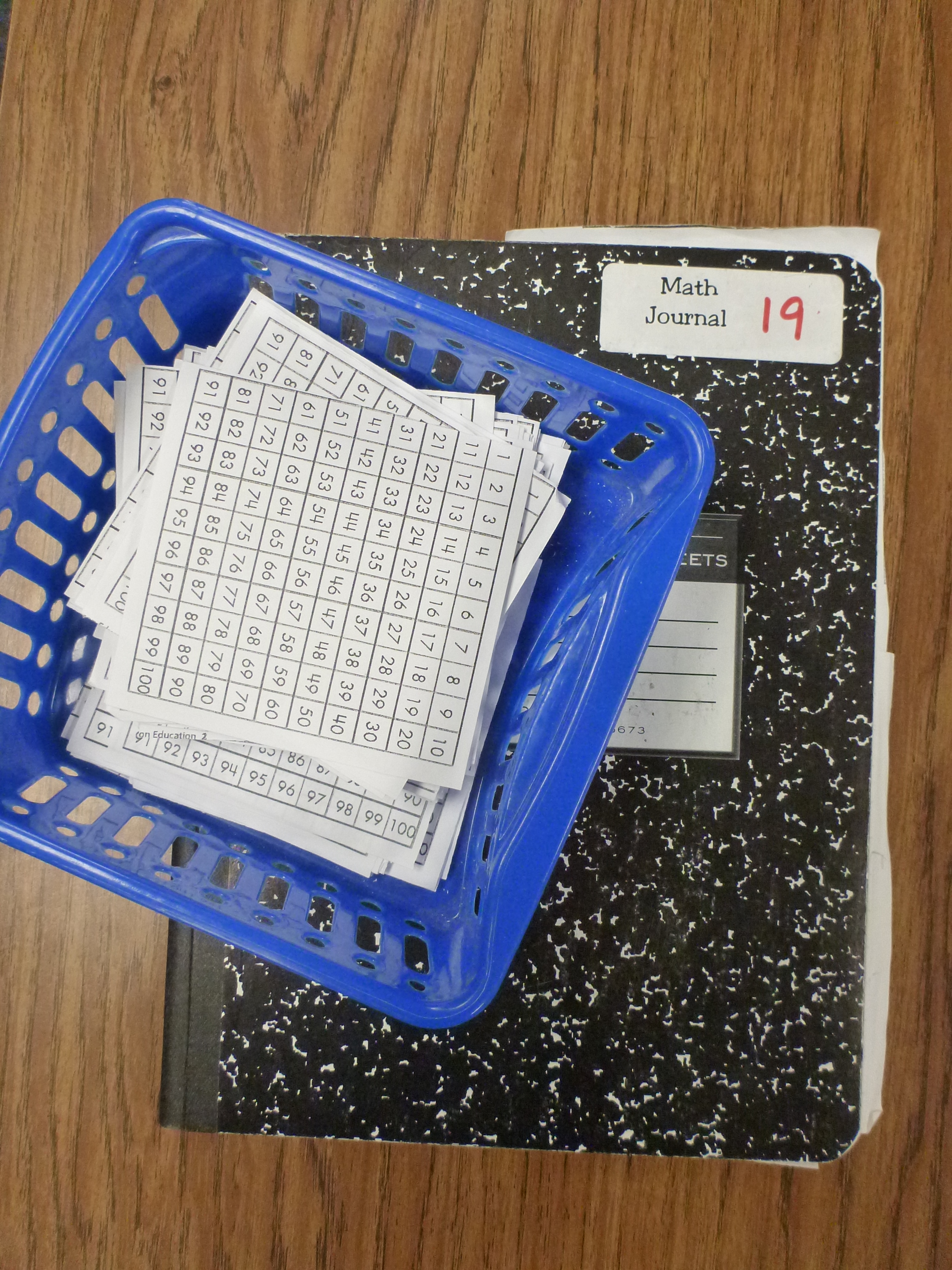
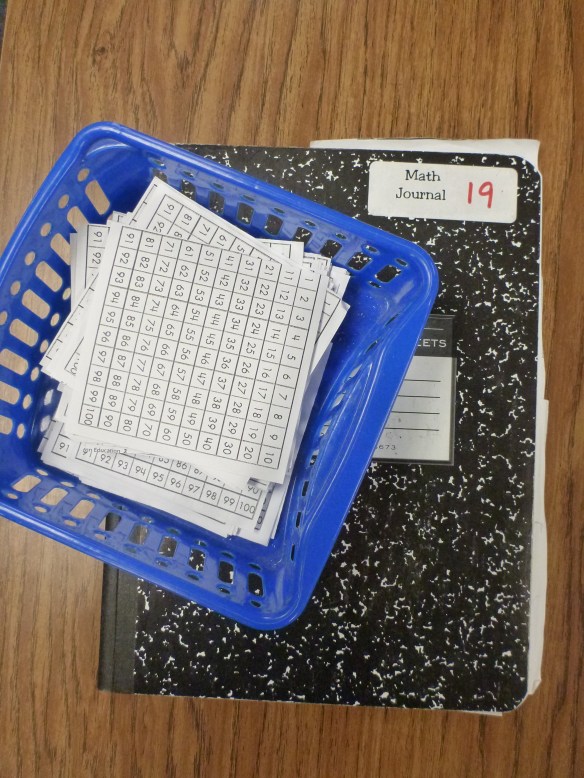
One teacher I discussed this with keeps lots of extra copies of a hundreds chart handy so she can use them in math journals.
P1030236

P1030233

P1030235 P1030234

Click here for more free math stuff!


Simple Addition Practice (free worksheet)

You can’t have enough math practice pages. Here’s a free worksheet that practices the basics (which you need to practice over and over and over before you can move on to more challenging math concepts). Right click the worksheet, choose “save image as” to save it to your computer. Happy math-ing!simple addition stars worksheet


Click here for more free math stuff!

Valentine’s Hundreds Chart (for upper and lower grades)

Here’s a number sense practice page (dealing with a hundreds chart) for Valentine’s Day. There’s never a wrong time to review numbers. Click here for the 2 versions (printable PDFs): chart- easy   chart- hard  Happy Valentine’s Day!

V-Day Hundreds chart- easy  V-Day Hundreds chart- hard

Click here for more free math stuff!

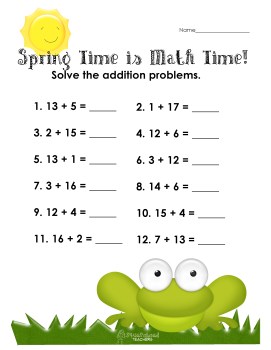
Spring Time Means Math Time! (free addition worksheet)

Spring time math- addition sums to 20 worksheet

I’ve made many simple addition worksheets (sums up to 10), but I don’t know that I’ve done a worksheet with sums up to 20. So here it is… a spring-inspired addition worksheet just for you. I usually try to make them using only black and white, but I couldn’t help it on this one. Enjoy!

Click here for the free printable PDF: Springtime Math- addition sums to 20

Click here for more free math stuff!

Valentine’s Day Math Simple Addition Worksheet

Most holidays are crazy in the classroom… especially ones that have a lot of candy and junk  food. But there’s no reason you can’t use the holiday as an excuse to do some practice. Here’s a simple addition worksheet (for 1st or 2nd grade). Click here for the free printable PDF: V-Day simple addition PDF  Happy Valentine’s Day!

V-Day simple addition

Click here for more free math stuff!